MINNEAPOLIS -- It was only 22 months ago that Miguel Vargas was traded over to the historically bad 2024 White Sox. As strange as it sounds, a veteran Dodgers clubhouse that respected the talent of the quiet, but determined young hitter thought it was exactly what he needed.
"We all said the same thing: It's good for him to get the opportunity, he's a great player, he's gonna be somebody," said former Dodgers teammate Anthony Banda. "We're not owed anything in the game, and I think he knows that."
But the initial look of Vargas in a White Sox uniform better resembled a young player in shell shock than someone enjoying newfound runway. He hit an unthinkable .104/.217/.170 immediately after the trade for a Sox team that went 14-41 after his arrival, which didn't provide many windows for his personality to shine through.
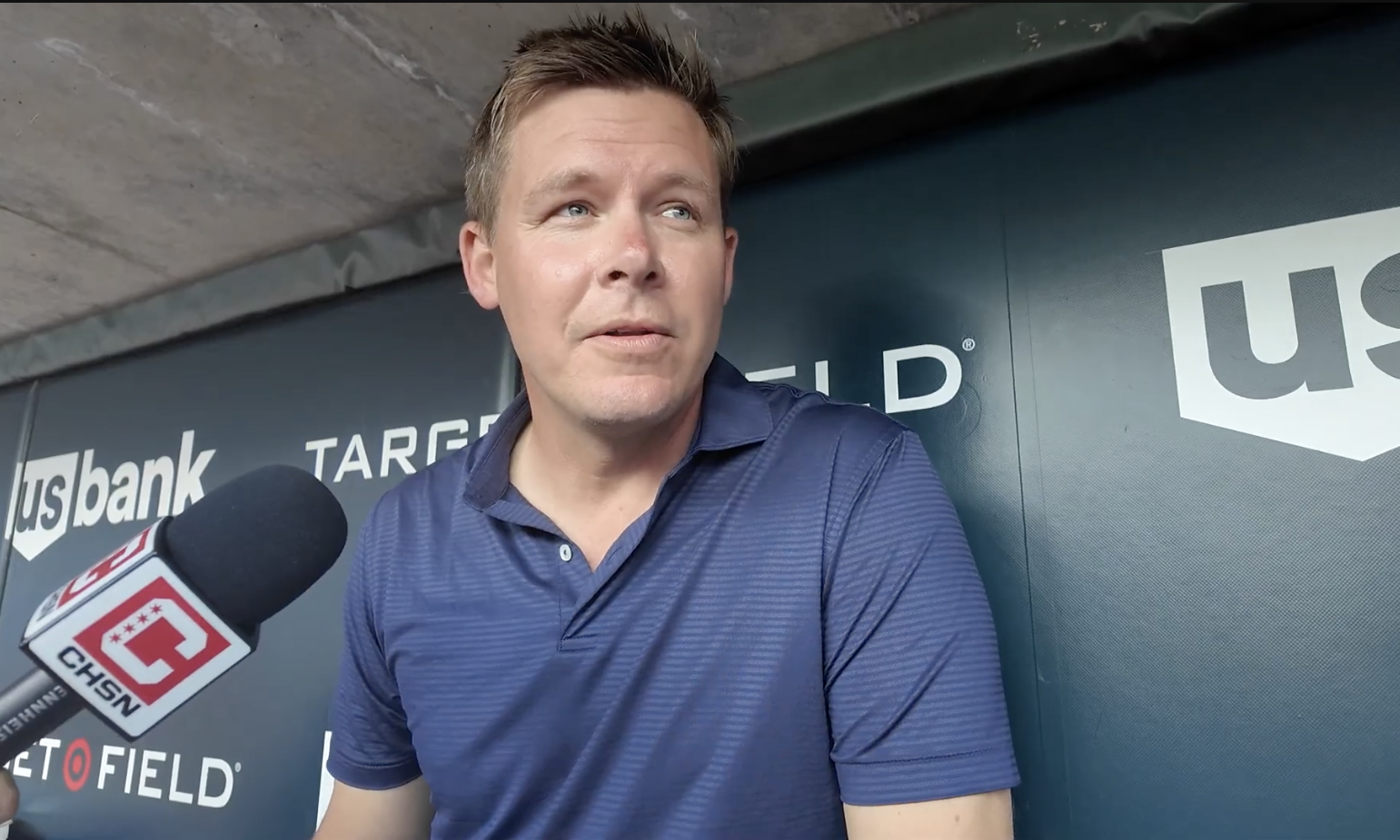
"2024 was a tough year for everybody, but I just felt like that was a lot of change in his life," said Davis Martin, one of precious few teammates who was around back then. "He was just kind of more reserved, had to get his bearings."
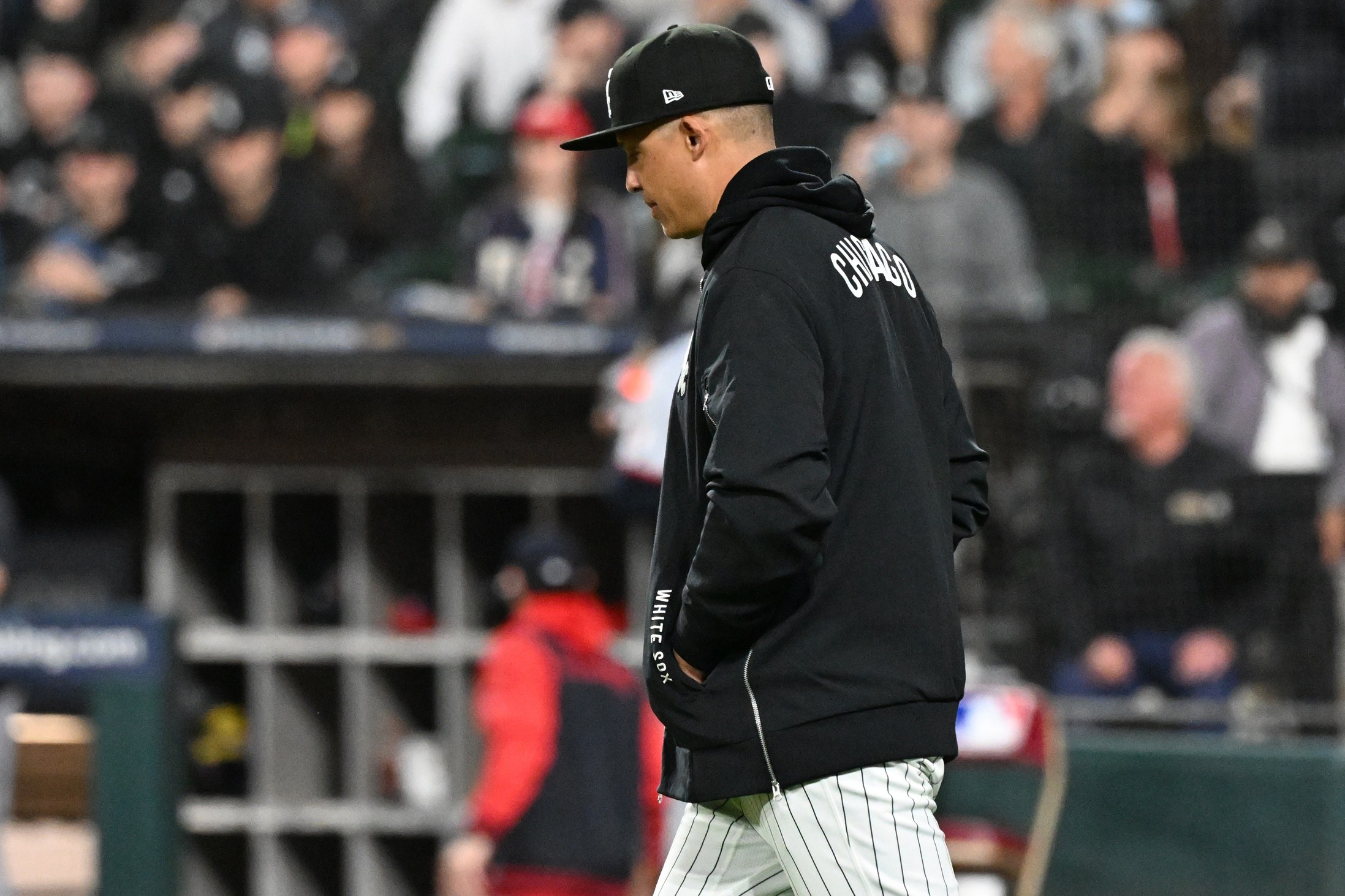
"His world was flipped upside down," said third base coach Justin Jirschele.
After losing nearly 15 pounds of weight over the course of that personally chaotic season, Vargas was tasked with transforming his body over the offseason. He complied, but was off to another miserable start and hitting .139/.236/.203 on April 23, 2025 when hitting director Ryan Fuller and assistant hitting coach Joel McKeithan sat him down in Target Field and discussed another large-scale adjustment.
"The way he was loading his body made him very susceptible to any fastball that wasn't middle or down," said Fuller. "Everything loaded away from his midline. So, his hands would raise over his back shoulder, and he would just stand tall out of it, so when he would go to turn, the barrel would then drop then underneath, because he wasn't tight and connected. All we were trying to do is get his barrel and body to load more together, so when he did enter the zone, he was able to cover top of the zone, and then be able to make adjustments to breaking balls down."
It sounds logical enough, and now that he's sitting .242/.368/.502 on the year, after playing through visible fatigue and soreness to collect an RBI single and two walks in Wednesday victory, it's clearly worked out well for a former top-50 prospect who had become overlooked.
But the rub is that the process was more physically difficult, and counter to a lot of the built-in movement inclinations Vargas had. The White Sox wanted Vargas to tighten up his swing load, while still maintaining the fluidity that enabled his bat-to-ball ability. Or as Chris Getz remembered Fuller telling him: "'This isn't an easy adjustment."
"It's all a challenge," Vargas said. "One of the first conversations we had was that obviously in the beginning, it wasn't going to feel right. It wasn't going to feel good. But I felt that I trusted them and trusted the process that we're doing. And we're here now."
"We want to succeed all the time, and so when we try something different, swing change or mechanical change in pitching, you've gotta trust it," said Banda, who empathized with the experience of being traded and asked to undergo a big change with a new team. "If there's the slightest doubt, it's not gonna work."
Stories about mechanical tweaks often center around the organization and the coaching staff, for reasons that are all the more understandable with the White Sox. The best organizations are able to successful teach adjustments to talented hitters more often, and since the Sox have lagged behind in this regard, the manner in which Fuller & Co. have leveraged biomechanics to get the best out of Vargas has wide-reaching impact. That Fuller thinks Vargas' remarkable bat speed gains this year are more attributable to mechanical efficiency improvements and increased pelvic rotation speed than just team-wide weighted bat training, is another wrinkle that might affect more hitters than just him.
But leaning too hard into that side of the equation can risk eliding how much Vargas' determination and commitment to the plans of his new organization, at a much earlier and less proven stage of their player development upturn, drove him to this All-Star caliber stretch of play. His swing hasn't stopped evolving since that meeting last June, as Vargas has continued to mold his loading process around the basic concepts that the Sox emphasized.
"I don't feel like it happened in a moment," Vargas said of getting comfortable with his new swing. "I just started getting the rhythm. Sometimes you get in the rhythm day by day, and at some point you feel like 'Oh, that is the stuff I need to do.' Obviously in the offseason I worked a lot on what we want to do and it's worked out."
"He's been banging," Colson Montgomery said. "When he's doing his routine, that's the only thing he's worried about right now. These results aren't anything crazy to me, just because that's how I am. I'm very process-oriented. Your preparation, your process, if you command that, in our heads it's like, we're going to have success."
But if just anyone could do this, then Vargas wouldn't be leading all full-time American League third baseman in wins above replacement.
"Anything that's going to give him an edge, he wants to be involved in," Fuller said. "It takes a special person to be able to look around and go, what help do you have for me? In Vargy's case, he takes that information in and goes, 'I want to be the best player; what am I going to implement? What am I going to question a little bit?'
"Once he committed to it, he's done it, and you see him playing now. He wants to be the best guy on the field. He's seen the greats that he's worked with, J.D. Martinez and those guys, the attention to detail they put into their craft, the way they train, the way they take care of themselves, his recovery, how important that is. So all of that adds up, and he's doing everything he can to be an awesome baseball player. It's not just the hitting side."
Vargas' defensive metrics remain middling at third base, but the steady defensive assignment that his time with the Dodgers lacked is regularly cited as another factor in his upturn. While Defensive Runs Saved (+1) likes his defense more than Outs Above Average (-2), his shortcomings aren't due to a lack of commitment, if Vargas regularly being spotted doing first-step quickness drills in the weight room are any indication. He's already stolen a career-high nine bases, with his sprint speed being another element of his game that's just kept improving at a point in his career where other players have calcified into finished products.
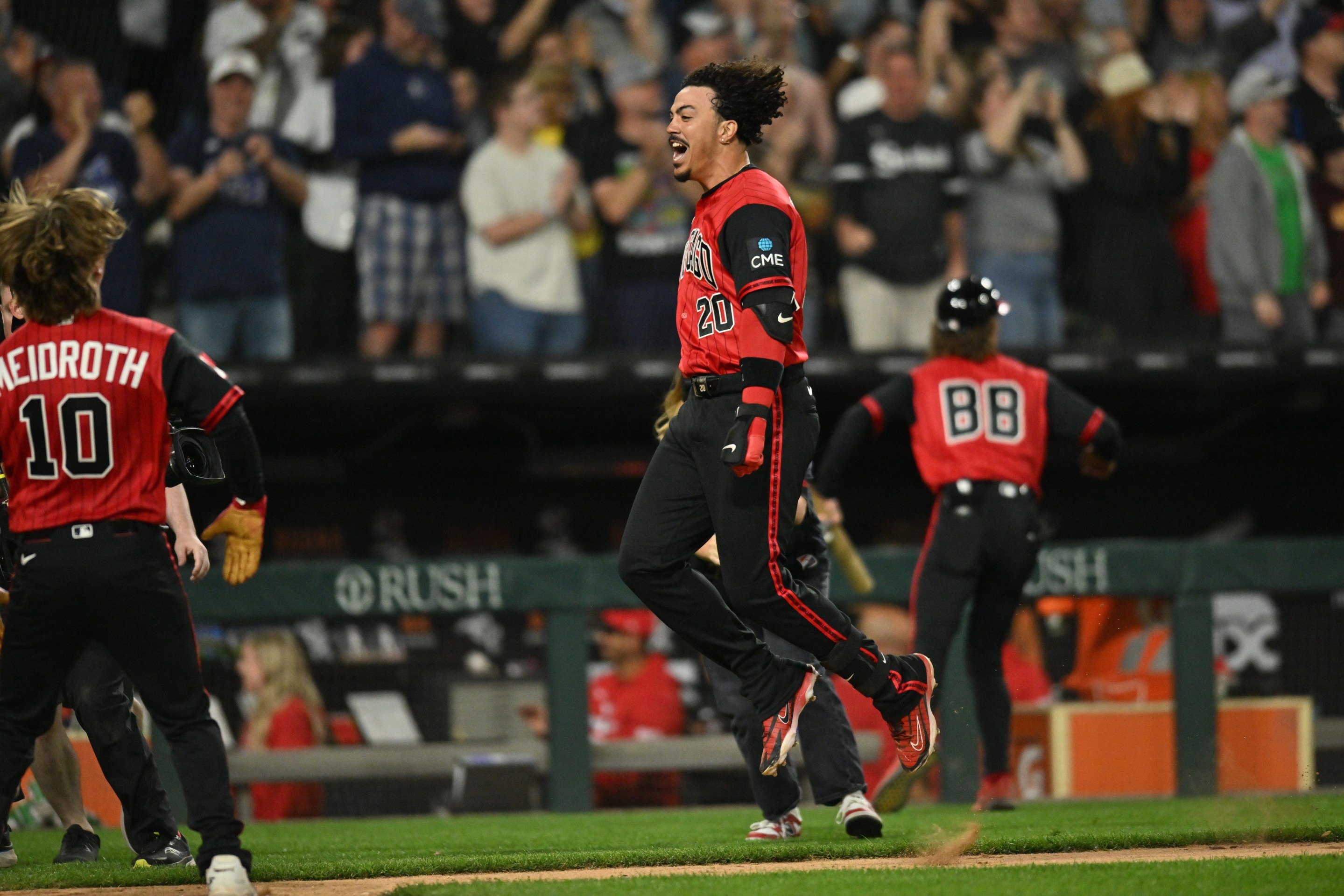
"He's out here [practicing] consistently every single day with these guys, understanding that that's important, and he's a leader by example in that aspect," Jirschele said. "You see the excitement when he hits a homer or a big-time double or something like that, but coming from him, that's more so for the team. He's just genuinely excited for the ballclub."
"Vargas is the definition of a glue guy," Martin said. "Not only because he's bilingual, but just a hilarious personality to be around and highly competitive."
Between his clubhouse presence and constant improvement, Vargas has become someone who embodies the ethos of the White Sox's surprising 33-29 start. A team that should be happy to just no longer be at their lowest depths, is nevertheless pushing for more, and one the central figures of that turnaround is built the same way.
"He's gonna buy into it, as long as you make a really good case," said Fuller. "It's an awesome relationship with Vargy. He wants to be great."