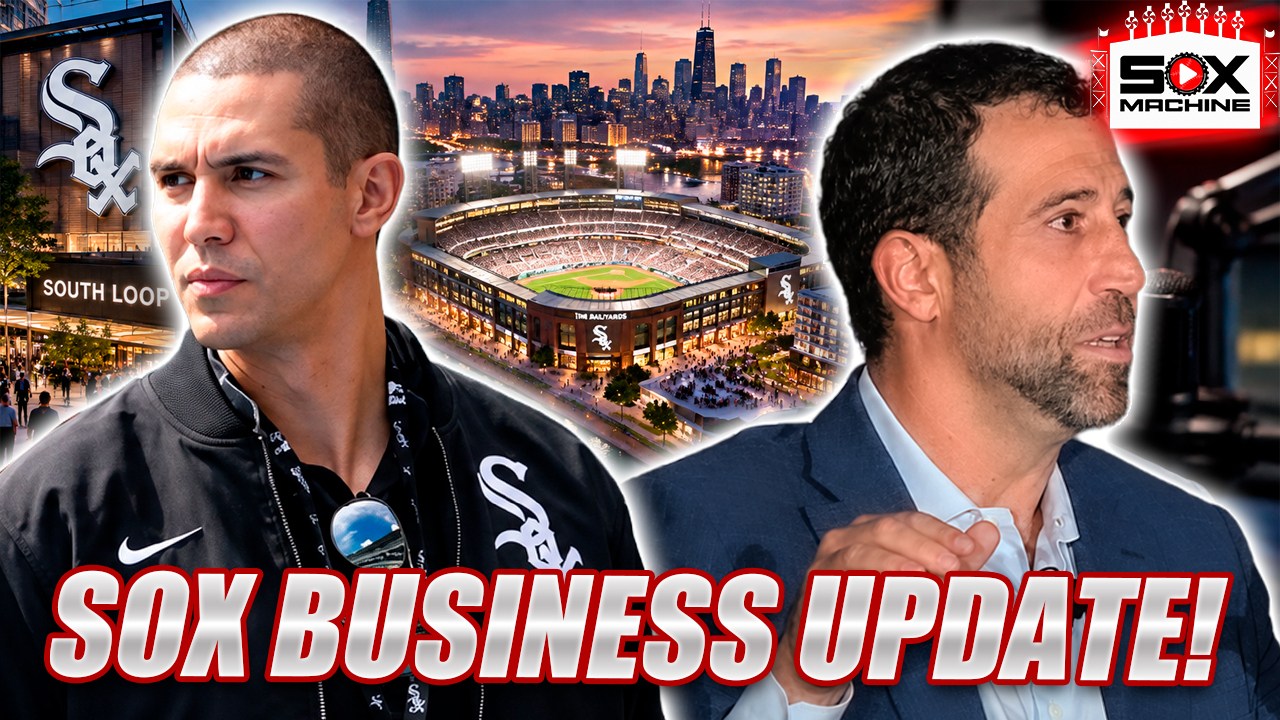
J.C. Bradbury, an economist who specializes in public economics, sports economics and the way the Venn diagram overlaps in the form of stadium subsidies, said a couple months ago that stadium renderings are propaganda and should be treated as much.
Stadium renderings are not news, they are propaganda. Stop reporting on them. Charge standard advertising fees.
— J.C. Bradbury (@jc_bradbury) July 24, 2026
I can see his point, in the sense that renderings help stoke public enthusiasm for a project with the hopes that when it comes time to ask for public money, it'll be easier for officials to get to "yes," and their constituents might be more forgiving.
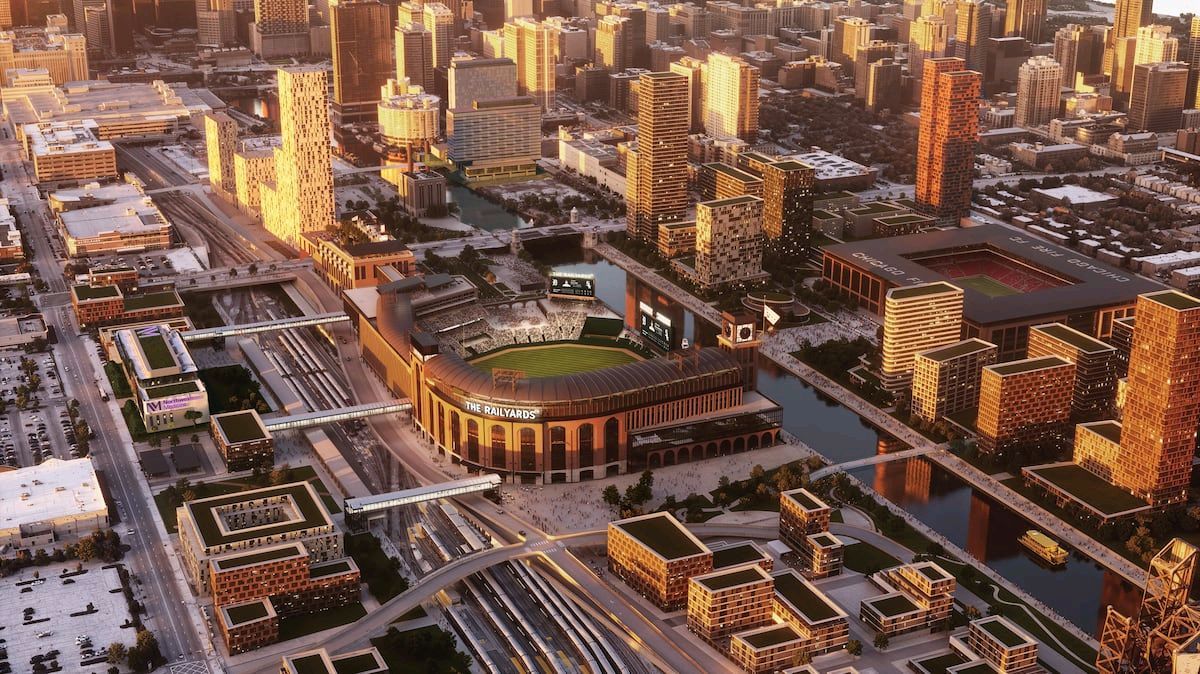
But the renderings that Justin Ishbia's Canal Edge company released on Saturday have some news value in two senses:
No. 1: It's no longer informed speculation to tie Canal Edge's purchase of the South Loop Amtrak rail yard to the potential development of a White Sox ballpark, and the right arm (the White Sox) is no longer silent about what the left arm (their future controlling partner) is doing.
No. 2: The renderings provide an idea of how a ballpark could fit on a pretty narrow plot that's defined by a river on one side and active tracks on the other, which I was having a hard time envisioning.
The answer is simple: no parking whatsoever.
This was the biggest immediately apparent concern with the last set of renderings back in 2024, except those involved The 78 before the Chicago Fire ponied up the money to start building. Now there's a soccer stadium that these maps have to contend with, which shrinks the amount of places cars can be stored. The potential for water taxis and adjacent Metra access can help alleviate it, but only to a point.
The Chicago Tribune relayed a statement from an Ishbia spokesman saying parking is a detail to be ironed out if the Sox choose to go this route, and it's one of many. The Amtrak facility move to Bridgeport and corresponding land purchases, including additional plots around the proposed site, aren't yet a done deal. Also, the ballpark is a placeholder that looks like Citi Field, and there isn't an idea what kind of state or city funds will be required, whether for construction or infrastructure. for whatever actually ends up being the design. That's why these can feel like propaganda, especially when they're paired with statements about "activating the area 365 days a year" despite requiring a deactivation of an area where people already live. They're clearly meant intended to shift public opinion, especially with the Amtrak facility relocation to Bridgeport facing neighborhood resistance.
But even if they're only on paper, the renderings are concrete enough to prompt the White Sox's on-record statement about the site, and also the strongest reaction to date from 11th Ward Ald. Nicole Lee. She called the announcement "nothing less than a betrayal" to Bridgeport and Armour Square, because it sticks Bridgeport with an empty stadium and an industrial facility with environmental impacts to be determined.
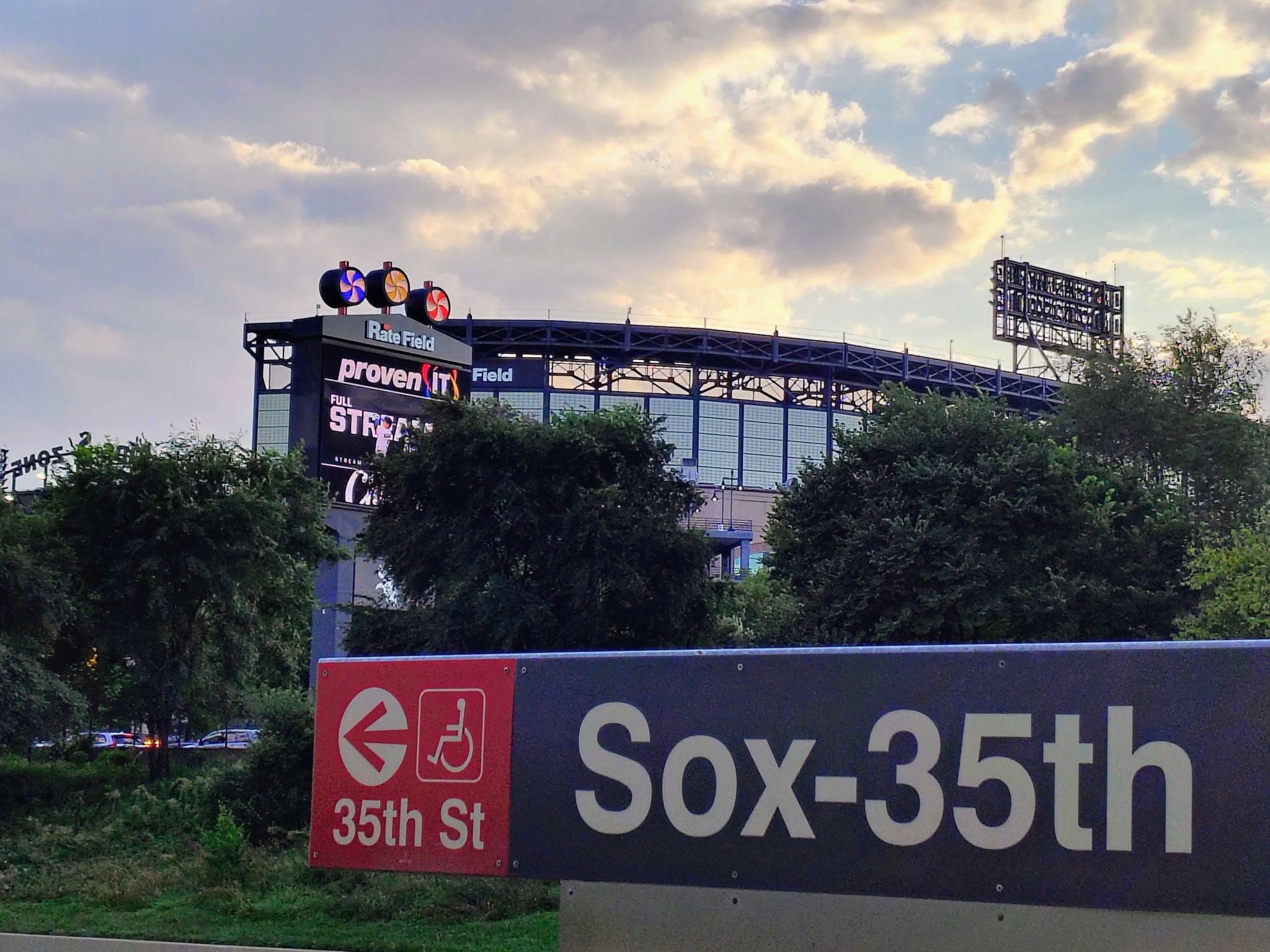
Lee maintains that modernizing the 35-year-old Rate Field and developing some of the sea of parking lots into a neighborhood-like atmosphere would provide a lot more bang for the public buck, and it's impossible to argue. The ballpark is fine, tickets are affordable, it's accessible by highways and public transportation, and the relatively rapid increase in attendance reveals that unexciting teams and obstinate management have been the biggest obstacles in drawing fans to 35th and Shields than anything about the building. When you hear players and broadcasters being struck by the energy at Rate Field, it's an indirect acknowledgment of the ballpark's biggest strength -- the democratic experience that allows a larger share of the team's most intense fans to get there and get in at price points they deem acceptable.
As photogenic as a move to the South Loop would be, it will undeniably be a more expensive experience for fans, because it will be marketed as an "experience," rather than "something to do" or "a place to go" or "a ballgame." It'll probably be more comfortable, more visually appealing and a bigger draw for tourists, but there will be costs, both documented and hidden.
I think about this every day here in Nashville when I drive by the Nissan Stadiums -- the current one, and the massive $2.1 billion indoor facility that's close to completion next door. I finally went to the about-to-be-demolished one to see the Bears-Titans preseason game last week, and just like Rate Field, it's fine. It could be better, but the need wasn't so pressing that the city and state had to provide $1.26 billion in public funds for a stadium that will end up literally serving fewer citizens by seating 9,000 fewer people.
Renderings in general activate the part of my brain that logged who knows how many hours playing SimCity, and renderings of a White Sox ballpark that incorporates the skyline symbolizes hope of a future in which ownership understands that Chicago is a big market and acts appropriately. But renderings also represent a future of paying more for the same product by being forced to accept fancier trappings, and that's even before it's revealed how much of the bill the public is footing.