Ever since he changed his mind about buying the Minnesota Twins, Chicago White Sox fans have hoped that Justin Ishbia's future ownership will bring major transformation, shifting from a current operational model of a mid-to-small market team to one that acts like a major-city franchise with significant financial might. But for Ishbia, the White Sox are just one piece of his grand plan.
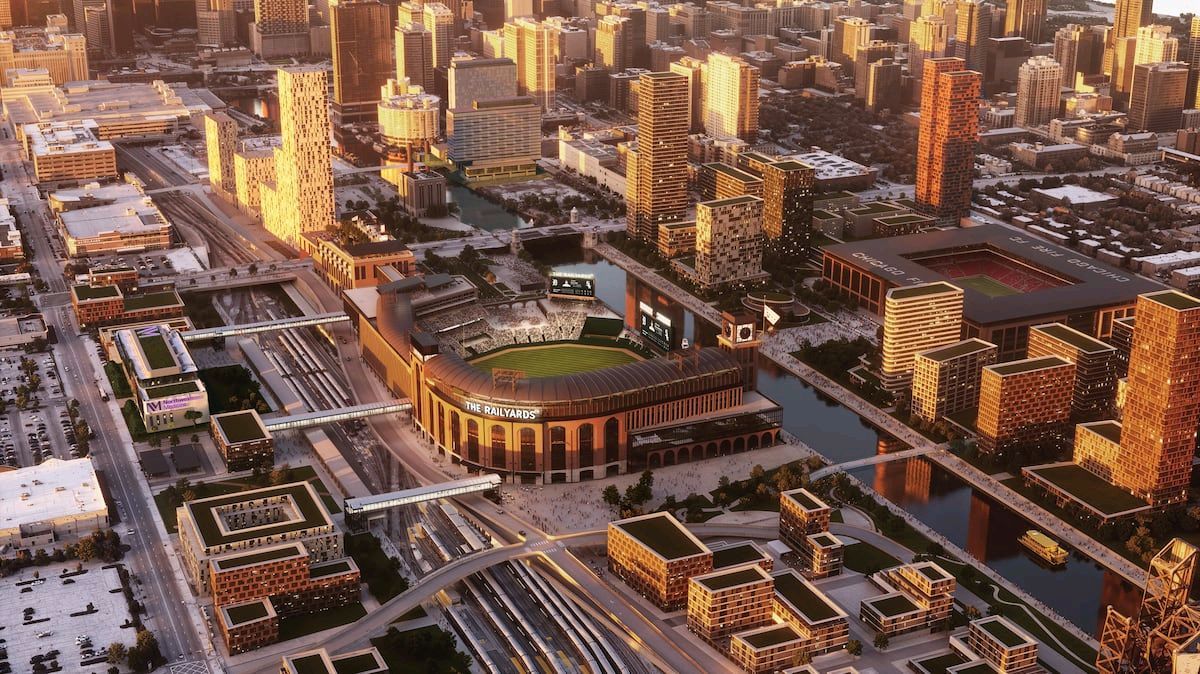
His vision isn't just to help the White Sox reach new heights, but to revitalize Chicago’s South Loop neighborhood, much like what residents and visitors have seen in Chicago's West Loop over the past decade. That includes a blend of entertainment, residential, and commercial development that attracts visitors from all over the world, while stretching the connective tissue from Chicago’s downtown riverwalk to Chinatown. Eventually, this grand vision leads to more development opportunities further south to help revitalize Bronzeville and Bridgeport. He calls the anchor development The Railyards, and if it were up to him, that’s where the future White Sox home would be.
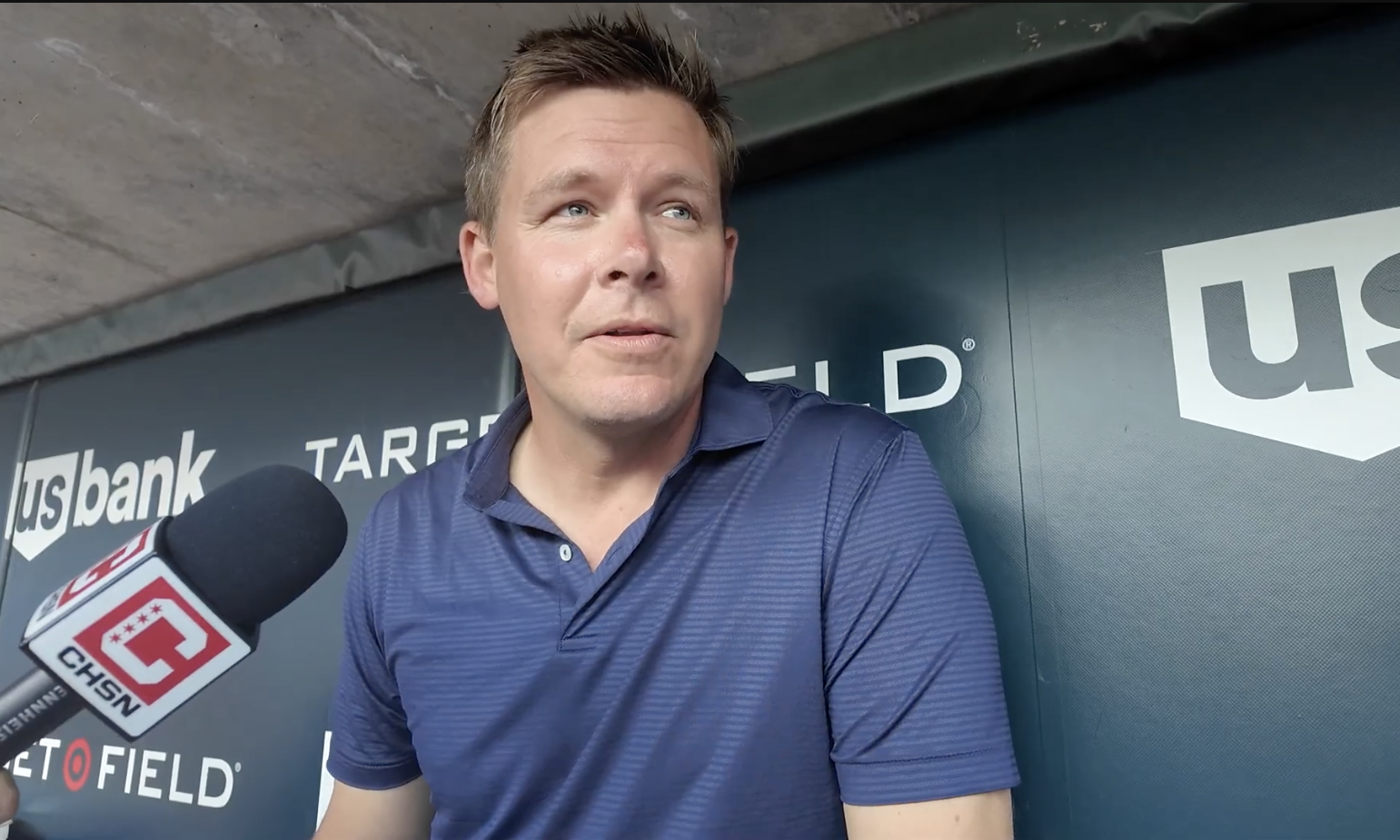
At an event hosted by Crain’s Communications, Ishbia spoke publicly for the first time about this thinking on how to help transform Chicago. He also shared insights into his approach to business, the future of A.I. for small- to medium-sized businesses, and lessons he’s learned from helping lead the Phoenix Suns. He also weighed in on how Chicago has missed big opportunities, like the newly opened Lucas Museum in Los Angeles, and the likelihood of the Chicago Bears moving out of the city limits.
Before a shovel breaks ground, Ishbia needs Amtrak to move out, and Jerry Reinsdorf to make up his mind.
Ishbia: Sports franchises are community assets
Ishbia has been attending Detroit Tigers Opening Day with his father for over 40 years. Together, they have been to every MLB stadium, keeping a Microsoft Excel spreadsheet that ranks each venue on several factors, including sightlines and concessions. He loves baseball and believes that Chicago is “the best sports city in the world.”
In making Chicago his adopted home, Ishbia believes the White Sox are a community asset. The franchise doesn't belong to him; it belongs to residents and fans. Drawing on his experience helping his brother, Mat, run the Phoenix Suns, he shared that they would interview current employees and fans about what works and what doesn’t. One example: Some fans, even with free tickets, wouldn’t bring their kids to games because they couldn’t afford concessions.
As a father of four young kids, that notion struck a nerve for Ishbia. It led the Suns to create a $2 value menu, making games more affordable for families. Then came the issue of watching Suns games on television. Dealing with regional sports network issues, the Ishbias decided to put non-national Suns games on free, over-the-air television by partnering with the local CBS affiliate. While many professional sports teams would push back against losing substantial local media revenue, Ishbia saw the media decision as a way to market the Suns to the masses, raising the point of “How can fans love something like Suns basketball if you can’t watch it?”
With free OTA broadcasts, the focus was to make the in-stadium experience more enticing for fans across the financial spectrum. Beyond the value menu, the Suns offer several VIP lounges for fans and business executives who want an elevated experience. In Ishbia’s mind, a sports franchise should serve everyone in the community, not just some.
Even with an agreement in place to eventually own the White Sox, Ishbia stated multiple times that Reinsdorf has full autonomy in how the White Sox are currently run. He doesn’t decide which players are targeted in free agency, how the team operates, or where a new stadium will be built. All those decisions still roll up to Rensidorf, who still hasn't decided whether The Railyards will be the White Sox new home.
Ishbia seeks to become a civic leader
While sports mean a lot to Ishbia, he also wants to be involved in how a future Chicago looks and operates. With billionaire Ken Griffin leaving Illinois and Jim Crown and Rocky Wirtz dying in recent years, Ishbia sees a void in Chicago’s civic leadership. One possible reason is that the city feels it has stalled in building large-scale projects. While he thinks it will take a dozen people to step up, Ishbia wants to be part of that group that helps shape Chicago’s future.
One group that will have a big say in how downtown Chicago looks and operates will be Google. Both the city and state received great news in 2022 when Google agreed to purchase the Thompson Center for $105 million. With renovations almost completed, Google is ready to move 2,500 employees out of its Fulton Market office back to downtown. That’s the kind of anchor tenant any major city would want. But before Google completes the move in 2028, it's asking city officials, the Chicago Transit Authority, and civic leaders for help. The revitalization of Chicago’s central business district can’t strictly fall on Google’s shoulders.
With Google looking forward to the Loop 2.0 intiative, Ishbia sees plenty of opportunity along Roosevelt Road. He not only has a contract with Amtrak to purchase its 47 acres along the river, but Shore Capital also recently bought The Maxwell shopping center along Canal Street for $15 million. The 240,000-square-foot space includes a parking garage and several commercial businesses, including Potbelly, Kay Jewelers, Men’s Warehouse, and Five Below. During his Q&A, Ishbia hinted he’s close to buying more South Loop buildings to expand his foothold.
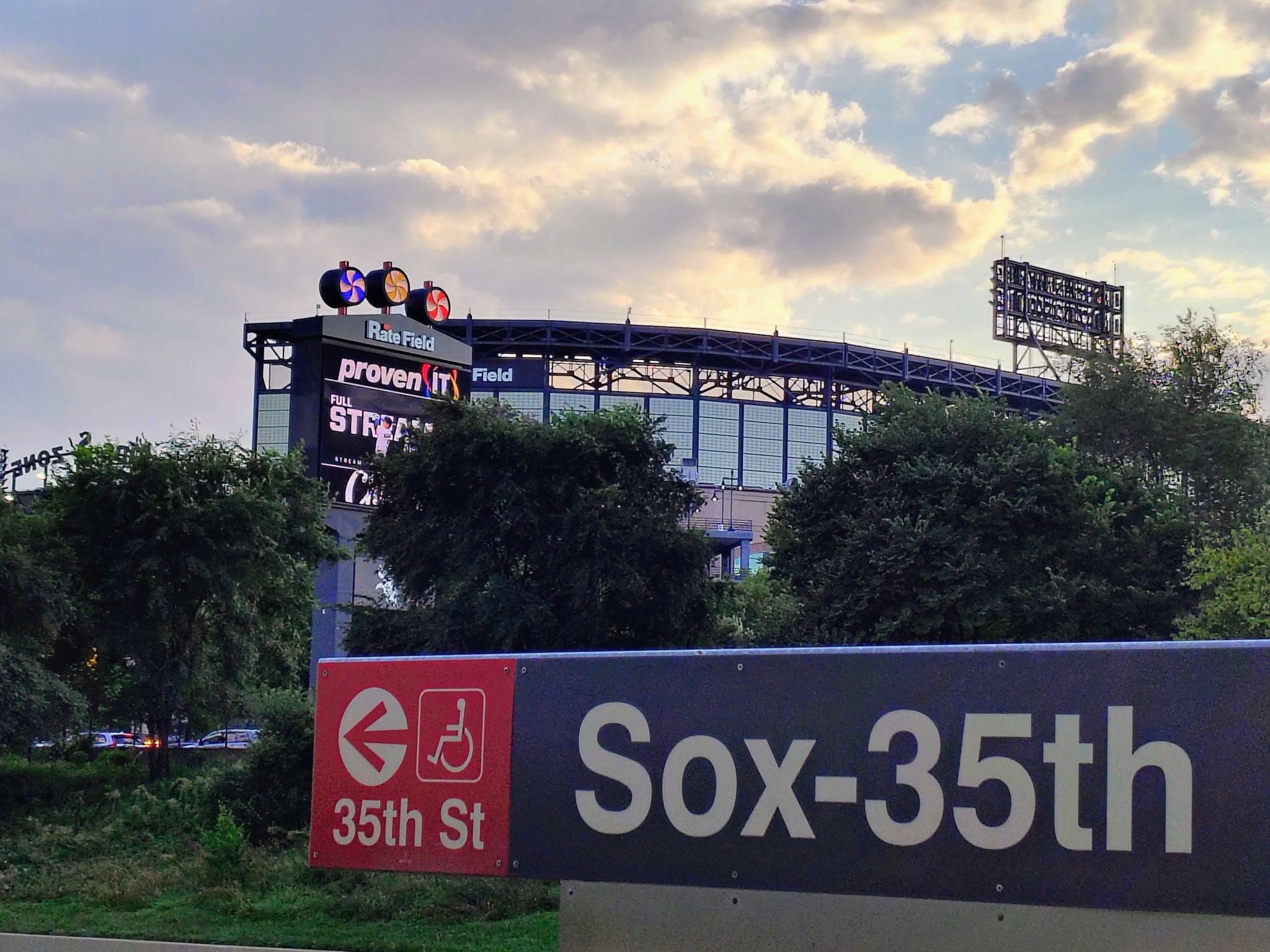
These real estate transactions lead to Ishbia’s big bet. If he can convince Reinsdorf, his plan is to build an entertainment district similar to Atlanta’s The Battery, giving the White Sox a world-class stadium while Chicago sees another major transformation in the South Loop, with the Chicago Fire’s new McDonald’s Park already under construction. Meanwhile, with Rate Field unoccupied, ISFA can explore other development opportunities, and Ishbia has said several residential developers are eyeing the 80 acres of parking lots.
The cost of doing nothing
The Railyards project doesn’t happen unless Amtrak completes its move to Bridgeport. Despite that reliance, Ishbia still tries to paint them as two separate projects. He even goes so far as to argue that Amtrak needs to communicate better with and address Bridgeport residents' concerns. Most local residents, and 11th Ward Alderman Nicole Lee, wouldn’t buy that argument. At each community meeting Amtrak has hosted, at least one resident has chastised Ishbia for funding the project, accelerating the construction timeline, and taking their beloved White Sox out of Bridgeport.
Ishbia's fear is that if his grand project doesn’t happen, it will fall in line with other big ideas for Chicago that fail, like the Lincoln Yards, the Lucas Museum, and a downtown Chicago Bears stadium. In the upcoming mayoral election, the lack of big-project development, or the presence of cranes in operation, will be a point of debate. There’s a real concern about stalled developments in Chicago, and Ishbia calls it “the cost of doing nothing.” If major investments like The Railyards don’t pan out, that could dissuade other investors and weaken confidence in the city’s ability to develop urban projects.
The counterargument from Bridgeport residents is: Why not develop the parking lots? The simple answer is that Ishbia doesn’t own them. ISFA does, and there’s no impression they're interested in selling right now. To build a privately financed baseball stadium, Ishbia needs to do so on land he owns. Amtrak has already agreed to sell its lot to him.
There’s an expectation that Amtrak will eventually leverage every federal exemption and loophole to move forward with its maintenance facility, much to the chagrin of local and state officials. While there’s little to no leverage stopping Amtrak, city and state politicians have a great deal of leverage when Ishbia asks for assistance for The Railyards, so it’s a careful game he has to play.
Ishbia knows he’s taking a big swing with The Railyards. It’s an opportunity to radically change the South Loop’s landscape. He’s confident that in 10 years, the grand vision will play out and the overall community, White Sox fans and Chicago residents, will benefit from the development.
UPDATE: Armour Bridgeport Coalition Respond to Justin Ishbia's comments
On Friday afternoon, the Armour Bridgeport Coalition released the following statement:
Justin Ishbia wants Chicago to consider the cost of doing nothing. He should start by accounting for the cost of getting what he wants—and who would pay it.
His role in this project is documented. Amtrak identifies him as Canal Edge’s controlling shareholder and Canal Edge as its development partner for the proposed maintenance facility. In Amtrak’s August grant announcement, Ishbia publicly praised that partnership and said his company was taking responsibility for delivering the project.
“If Mr. Ishbia believes our concerns deserve to be heard, he should call on the Federal Railroad Administration to reopen its environmental review, withdraw the categorical exclusions and prepare a full Environmental Impact Statement that rigorously evaluates alternative locations,” said Maria LaGiglio, coalition co-founder and a lifelong Bridgeport resident whose home is approximately 150 feet from the proposed site. “He was willing to put his name on this partnership when federal funding was announced. He should be equally willing to answer the families who would live beside it. Listening means accepting that the location may have to change.”