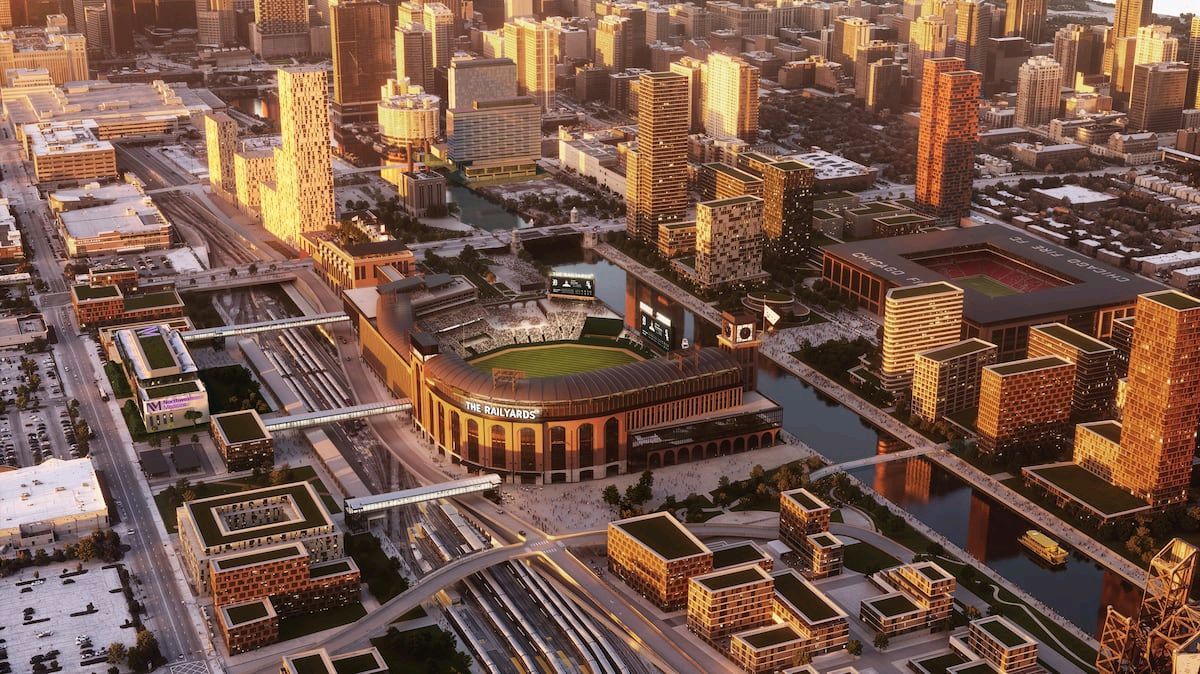
When the developer behind the push for a stadium project at the South Loop plot of land known as The 78 released renderings of a potential new White Sox ballpark two years ago, fans noticed that there wasn't a way to hit a ball into the Chicago River, as the setting sun would require the playing field to be oriented eastward.
A planned Justin Ishbia land purchase could potentially address that issue, along with the larger question of where the White Sox might build their next home, especially since the Chicago Fire broke ground on a soccer stadium on The 78 instead.
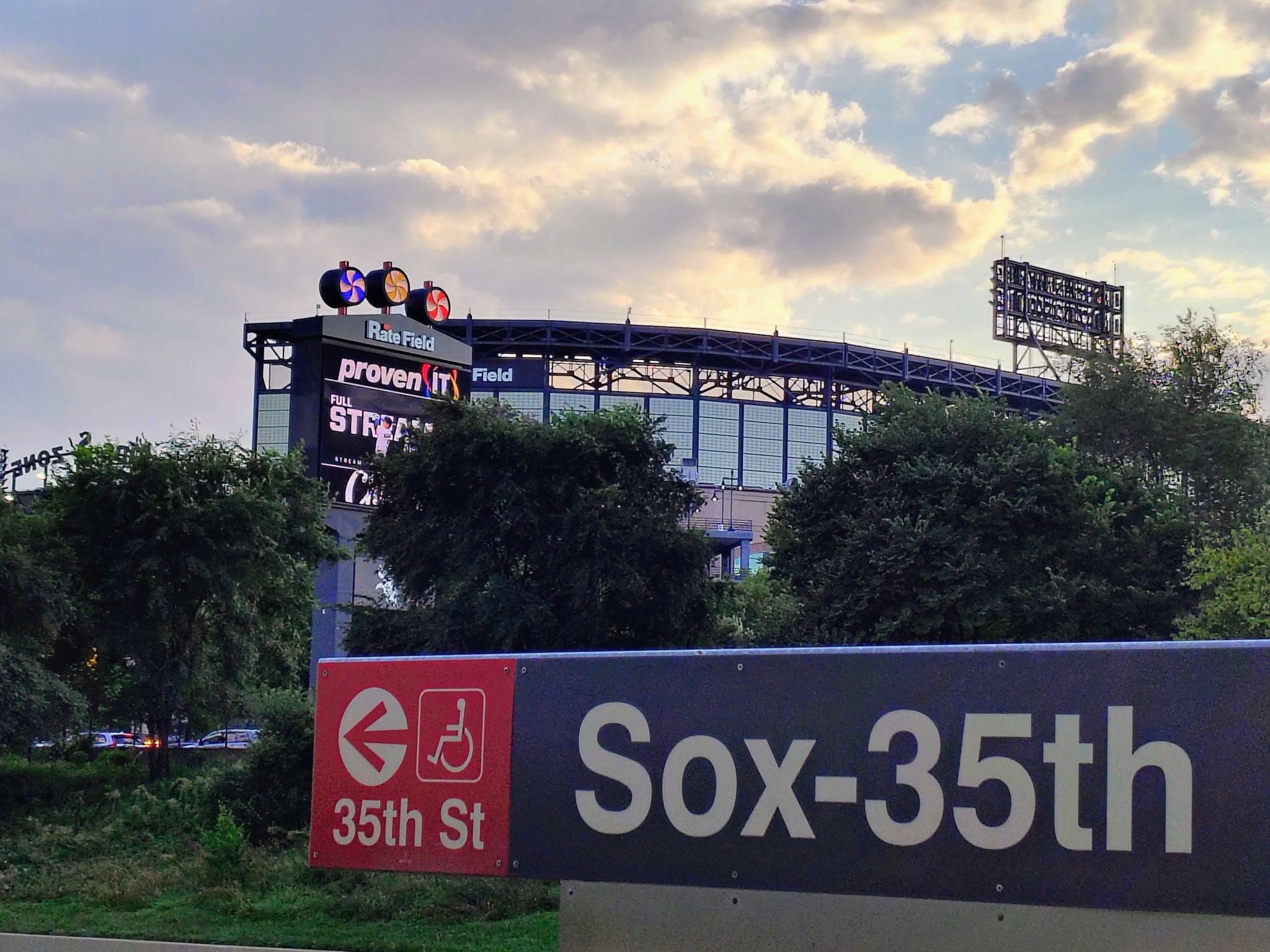
Crain's Chicago Business reported Wednesday morning that Shore Capital, Ishbia's private equity firm, is "nearing a deal to buy a 47-acre rail yard" across the river from The 78. The land is currently owned by Amtrak, but Crain's says Amtrak is looking to relocate its maintenance facility a mile south near Rate Field's parking lots.
All that said, mapping out a future home of the White Sox may be premature. Shore Capital hasn't announced a ballpark as part of its initial plans. So far, Shore issued a statement to Crain's saying that the firm is exploring a "potential healthcare facility and medical innovation hub" with Northwestern Medicine, whose board Ishbia sits on.
There's also the matter of whether the plot of land is big enough to accommodate a ballpark without additional purchases. At the time Related Midwest and the White Sox were stumping for a ballpark at The 78, there was question about whether The 78 was too narrow to host both a ballpark and a university-affiliated science hub and event parking, and that site is 15 acres bigger than the rail yard. Those debates became moot when the University of Illinois withdrew from its plans for the Discovery Partners Institute, and Chicago Fire owner Joe Mansueto reached his own deal to build a soccer stadium, which is smaller.
Further expansion on the Amtrak land would require negotiations with BNSF, which owns the adjacent rail yard, and working around the active railway that includes the BNSF Metra line which runs into Union Station from suburbs including, say, Downers Grove. Additional complications not involving the particulars of baseball stadium construction involve the relocation of the Amtrak yard, since running trains back and forth to Union Station could require additional infrastructure to manage the flow of trains around river traffic.
The story of the possible sale raised objections from the High Speed Rail Alliance, which released a statement from Executive Director Rick Harnisch:
“It is unacceptable that Amtrak has been working for months to sell a critical national asset with no public engagement. This sale must be stopped. This property may be needed for access to and through Chicago Union Station to bring hourly passenger rail service to destinations around the Midwest.”
But speaking only about the baseball side of it, the appeal is obvious. A ballpark on the west side of the river could incorporate even more of the skyline into its backdrop, and one situated across from the Fire's new home could start to sell itself as a stadium district, especially if public transportation is thoughtfully incorporated to take the stress off the ability to house cars. If this is the start of Ishbia and Shore Capital spending their own resources instead of angling for state funds to get the ball rolling and fulfill the vision he offered to Pope Leo XIV, so much the better.