MILWAUKEE -- Before signing Seranthony Domínguez, coming off a strong platform season despite seeing his walk rate spike to a career-high 13.8 percent, the White Sox were connected to Pete Fairbanks, a proven closer who had remained effective despite a two-year trend of declining strikeouts.
In the end, their rationale was to bet on superior stuff, and their evaluation was that Domínguez had the best of the remaining leverage relief arms available.
"In general, a splitter is something that that holds up really well under pressure; kind of that sensory overload moment that hitters go through when everybody's standing up for the ninth inning, splitters just hold up," Brian Bannister said in spring. "[Domínguez] does have a very linear delivery. He can sweep the ball and create glove-side movement, which oftentimes leads to kind of pulling or cutting the splitter."
In keeping with how all the White Sox best-laid plans played out in a miserable opening weekend in Milwaukee, that's exactly what happened.
"I just tried to go down and away and pulled a little bit," a dejected Domínguez said of the fateful splitter he threw to Christian Yelich. "It was a really bad moment for our team, for me. I was so close to getting out of that inning and just made a big mistake right down the middle."
It capped off a weekend that saw Sox relievers allow a league-worst 19 earned runs in 13⅔ innings of work. With Anthony Kay falling an out shy of five innings being the longest start of the season so far, the bullpen also threw the eighth-most innings of the league over the first three games, and the MLB-high nine stolen bases allowed certainly extended beyond relievers' struggles to hold Brewers baserunners.
"[The Brewers] do a pretty good job changing their looks up on the basepaths, too," said Sean Burke. "It's a little bit of a cat-and-mouse game. We had some stuff in place to try to neutralize that, and then they adjusted to that. So, just got to be a little bit better at seeing that in real time and making those adjustments quicker."
Domínguez's stuff and velocity certainly wasn't lacking, Jordan Leasure's slider still plays to hitters of either handedness, and Grant Taylor hit 101.9 mph in his sterling scoreless seventh on Sunday. Even Chris Murphy, whose struggles with the Brewers' pesky at-bat style at the bottom of their order set the stage for a disastrous eighth inning, was flashing 90 mph sliders and showing stuff that looked up from his past season with the Red Sox.
It should get better, but the immediate poor results against a Brewers team that saw Jackson Chourio and Andrew Vaughn hit the injured list undercut a big source of immediate optimism for why this White Sox team should be better. Most areas of this team are dependent on Chris Getz and company slowly building the infrastructure to develop better players. For the bullpen, they spent money in a way their own roster recognized.
"I feel like we have pieces here where we can win games now, where the past few years it feels like we have the lead a lot in the sixth, seventh inning and then give it up, so I feel like adding the back of the bullpen guys is going to help a lot," said Andrew Benintendi, obviously before Sunday afternoon happened.
The Sox offense opened the season with a franchise record 20 strikeouts in a nine-inning game, and as a result, are sitting on a ballooned 38.7 percent strikeout rate on the young season. They faced Jacob Misiorowski, of course, but it came on the heels of a spring where they emphasized two-strike approaches to their hitters, which itself was aimed at building momentum for what the coaching staff felt the offense was doing well in camp.
"We talk about situational hitting, times you need to shorten up and make contact and that needs to be the priority as opposed to slug or anything else," Will Venable said. "Up front here, [that] has been the message."
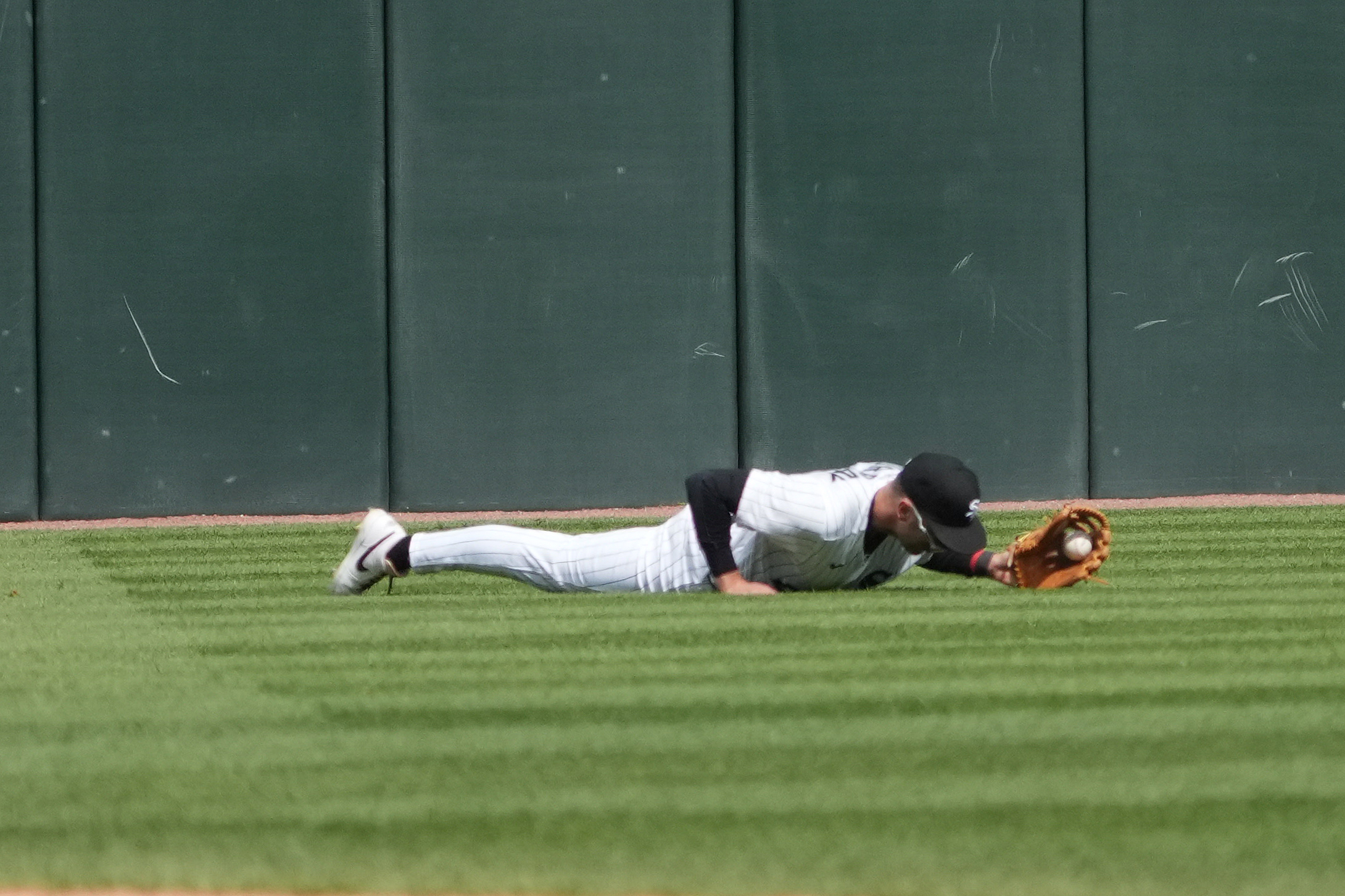
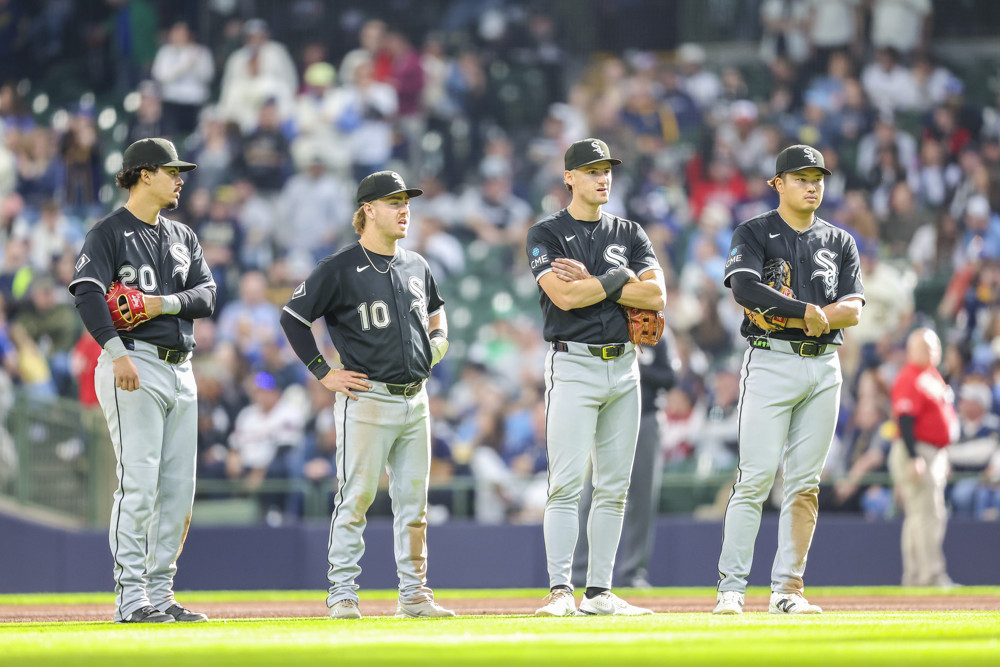
But outside of Chase Meidroth and Munetaka Murakami, whom the Sox quickly shifted to the top of the order together, the strikeouts were defined by uncharacteristic and discombobulated approaches -- the typically chase-averse Everson Pereira waving at breakers out of the zone, Colson Montgomery taking 2-0 heaters down the pipe, etc. Along with a spate of over-eager defensive mistakes -- airmailed cutoff men, an errant throw from Burke on a play where he had no chance anyway -- there was an internal narrative building about the source of the issues that Sox coaches were already trying to push back against by Sunday.
"Can you chalk some of this up to nerves and jitters? Well you can, but that doesn't explain everything, right?" said hitting coach Derek Shomon. "This is all of our jobs and more so me specifically, it's making sure that I'm not just leaning in and saying 'Oh it's early, it's OK.' Yeah, it's early, but these aren't the behaviors we want, so we have to make sure we stay ahead of it. I don't want to fall into the trap of saying 'it's fine.' It's not fine. I have to be better. We have to be better as a hitting group to prepare these guys and put them in a position to be successful."
That's the healthy and vigilant approach Shomon is paid to have, but after the Sox reeled in and punished rookie starter Brandon Sproat for his wildness en route to seven runs in three innings on Sunday -- highlighted by Montgomery jumping on a grooved first pitch after Miguel Vargas walked to load the bases -- it certainly sounded like Sox hitters had managed to exhale.
"I think it was the jitters and we were all really excited; we did a lot of really good things this series and we did some things that we need to improve on," Montgomery said. "I started to feel that later in the game [Saturday] with guys, everyone started to chill out and be like ‘Alright, same game we’ve been playing in spring training.’ Take the crowd and jitters out of it. I think it was a collaborative thing at the end of the game. Guys started having really good at-bats."
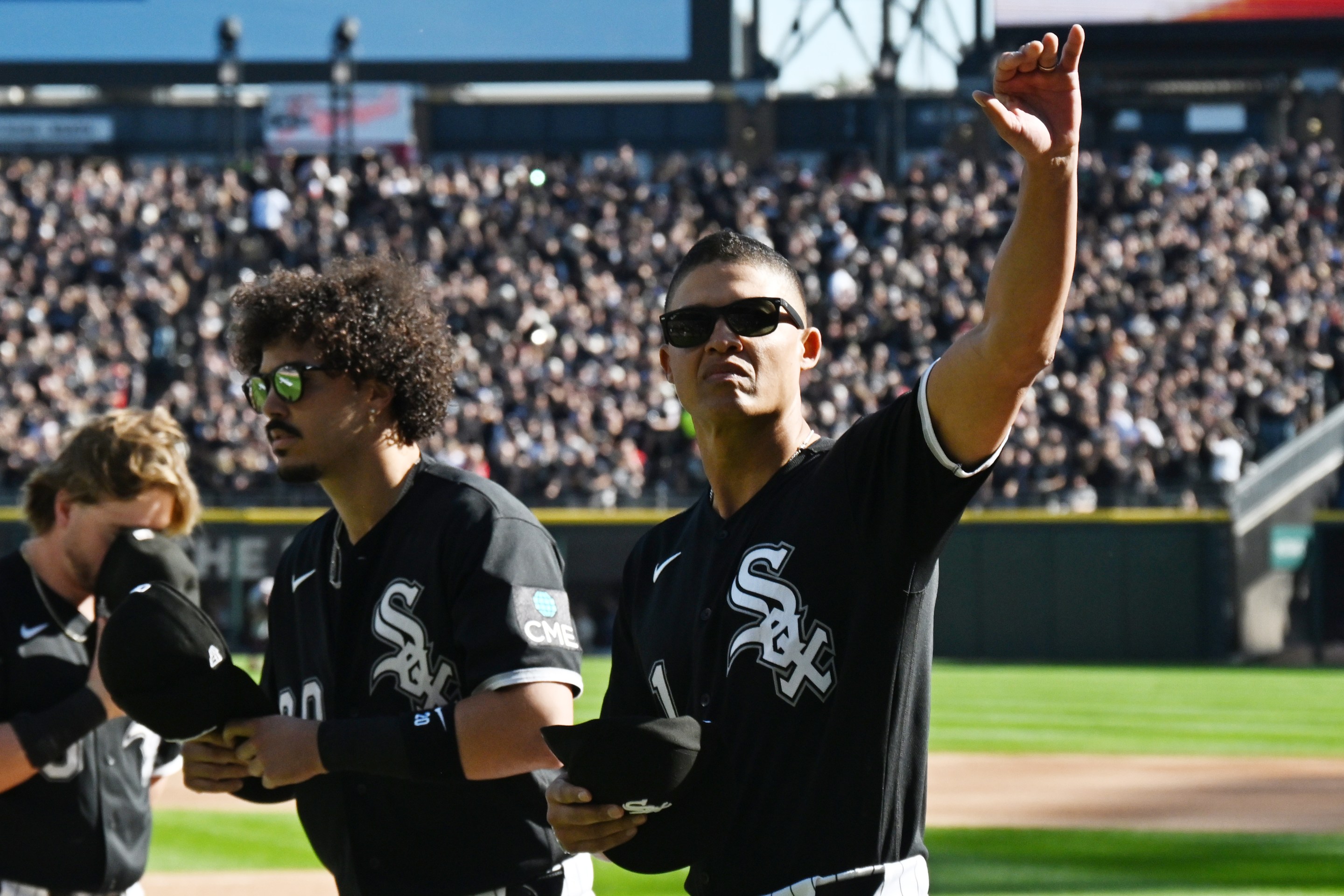
It's only another reminder of the dark spaces the White Sox have been that this weekend in Milwaukee not only represented the first Opening Day for much of the roster, but some of the most raucous atmospheres they've played in as well. Yet even allowing some room for that, the White Sox's own narrative for themselves is they have to become a team that is versatile for different game styles, defensively sound and wins on the margins to counter not wielding the financial might to spend at the top of the free agent market.
Instead, their umpteenth slow start to the season was marked by all the details of their game that need improvement.
"We’ve got to clean it up," Venable said. "There’s a lot to point to there where we need to improve. These guys, they’re playing hard, but we’ve got to clean up some of this stuff that these guys can do a better job of, for sure."