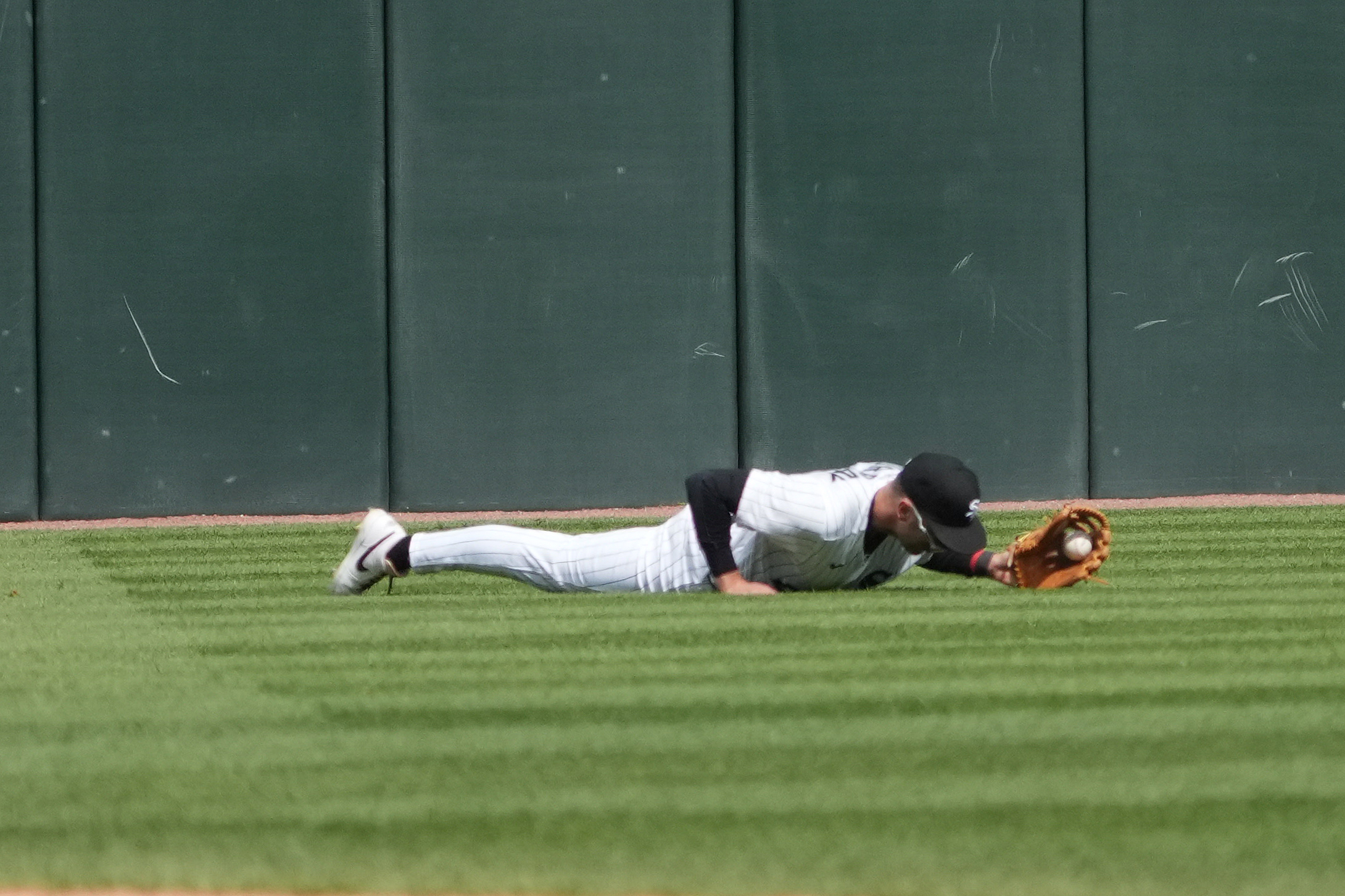
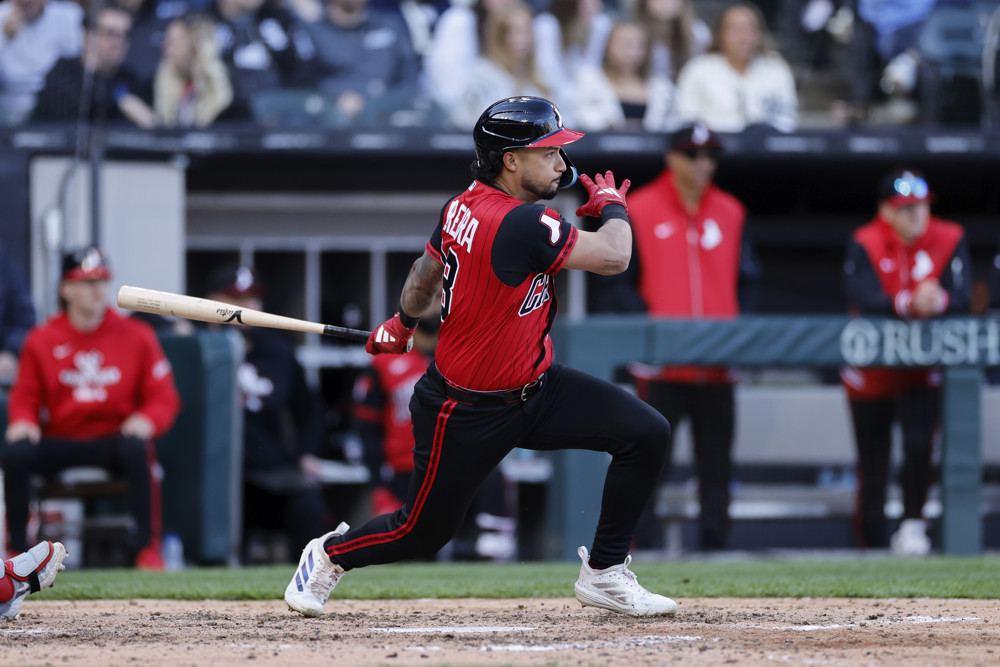
Once a top-100 prospect per Baseball America, Everson Pereira's previous two stints in the majors, in 2023 with the Yankees and 2025 with the Rays, were both short, late-season opportunities on teams that had already seen their playoff hopes dim to the point of granting him a small bit of runway.
Both stints went very poorly (.146/.227/.215, 38.6 percent strikeout rate combined), and they both ended with Pereira quickly getting shuttled out of his team's long-term plans. The Rays also burned Pereira's final minor league option last year, so when the White Sox traded for him on the Rule 5 protection deadline this past November, he learned the news halfway through a doubleheader in the Venezuelan winter league. The 25-year-old outfielder felt he needed the extra reps to improve his offense, and once he was in the fold with the White Sox, his heightened sense of urgency was immediately apparent, and maybe a little concerning.
"One of the first conversations that I had with him over the offseason, he was adamant that this was his year," said Will Venable. "Which you love, but at the same time, don’t want that added pressure. This game’s already hard enough. For me, it’s just been transparent communication that you’re going to have some runway here, just go out and do your thing."
"It has helped me a lot, especially mentally," Pereira said via interpreter. "If I said the opposite, I would be lying. It has been a big relief I can say, a big boost of confidence, and I think the results can prove that."
Pereira's anxiousness to prove himself has been apparent in stretches, even as Austin Hays' hamstring strain has left the White Sox with a dearth of right-handed outfielders, and little choice but to give the new guy a real shot. An oblique injury in spring and ankle sprain suffered in the first week of the season both briefly sidelined Pereira when he otherwise would be getting settled in, and some of the at-bats he's put together immediately upon return have had a frenzied nature to them.
"He's a guy historically that doesn't chase out of the zone too often," said Chris Getz. "There's been still times that it has happened."
Historically, Pereira has indeed chased at below-average rates, leading the White Sox to believe he fit their model of emphasizing speed, defense and swing decisions in their position group, while adding someone who has always touted the bat speed they've lacked in previous seasons. Instead, Pereira is swinging at a Lenyn Sosa-esque 42.5 percent of pitches out of the strike zone in the early going, which is obscuring some under-the-hood improvement that would be pretty eye-opening if it stuck.
Pereira is striking out at a nearly 30 percent clip (29.2), which isn't anything new to him, but it used to come from getting blown away by four-seam fastballs at the top of the strike zone. Despite his prodigious bat speed (74.7 mph, per Statcast), Pereira felt he had extraneous hand movement in loading his swing that often made it difficult to be on time for velocity in the upper third of the strike zone. But even with limited reps this spring, he and the Sox felt they were able to install a meaningful adjustment that he's been touting his confidence in for several weeks now.
"The position my hands are in right now, they are set," Pereira said via interpreter. "Before I was double loading, now they are in a set position, ready to swing."
Everyone who loves parse barely perceptible hand movement, start your engines.
"The double load was not a rhythm thing early, it was a late move that put him in a spot where his hands and barrel weren't able to get set in the same spot consistently," said hitting coach Derek Shomon. "That would affect his path and how he interacted with different planes. So, it's pre-setting some things and he's figuring out or has figured out a way to still create rhythm. The in-zone whiff is down, particularly on four-seams, so that's good and overall making contact, I do think it stems from that."
For his career, Pereira has a 72.7 percent zone contact rate, which is simply nowhere near the league average of 85.6 percent. But this year, he's all the way up to 81.8 percent, which is more of the type of gap that a player can fill by having good power, speed and corner outfield defense. Pereira might not yet be a polished product, but part of why scouts fall in love with toolsy projects is that he will flash the ability to do all of these things, and now he's adamant that his swing has a stability that he's never enjoyed before.
"It has helped me in that I feel more comfortable at the plate with my swing, and at the same time, I can wait back and stay longer in the strike zone," Pereira said via interpreter. "It's a more ready swing. That's how I can describe it to you."
Outside of Braden Montgomery, the White Sox don't have many future mainstays in their crop of prospect outfielders, so someone with less than a year of service time busting out to a .276/.338/.500 start is relevant in its own right, even after only 65 plate appearances.
But furthermore, if Pereira and Miguel Vargas represent a newfound organizational ability to grant runway to and facilitate adjustments for post-hype prospects who were trending toward bust territory before the Sox acquired them at reduced value, that is validation which a front office that has yet to build a winner is eager to tout.
"Another opportunity to bring in a player that hasn't quite gotten the runway elsewhere, and able to do it here and he's taking advantage about it," Getz said. "There were some mechanical offensive adjustments that he made in spring training that he really focused on. Now you need the runway to test that and it's paying off."