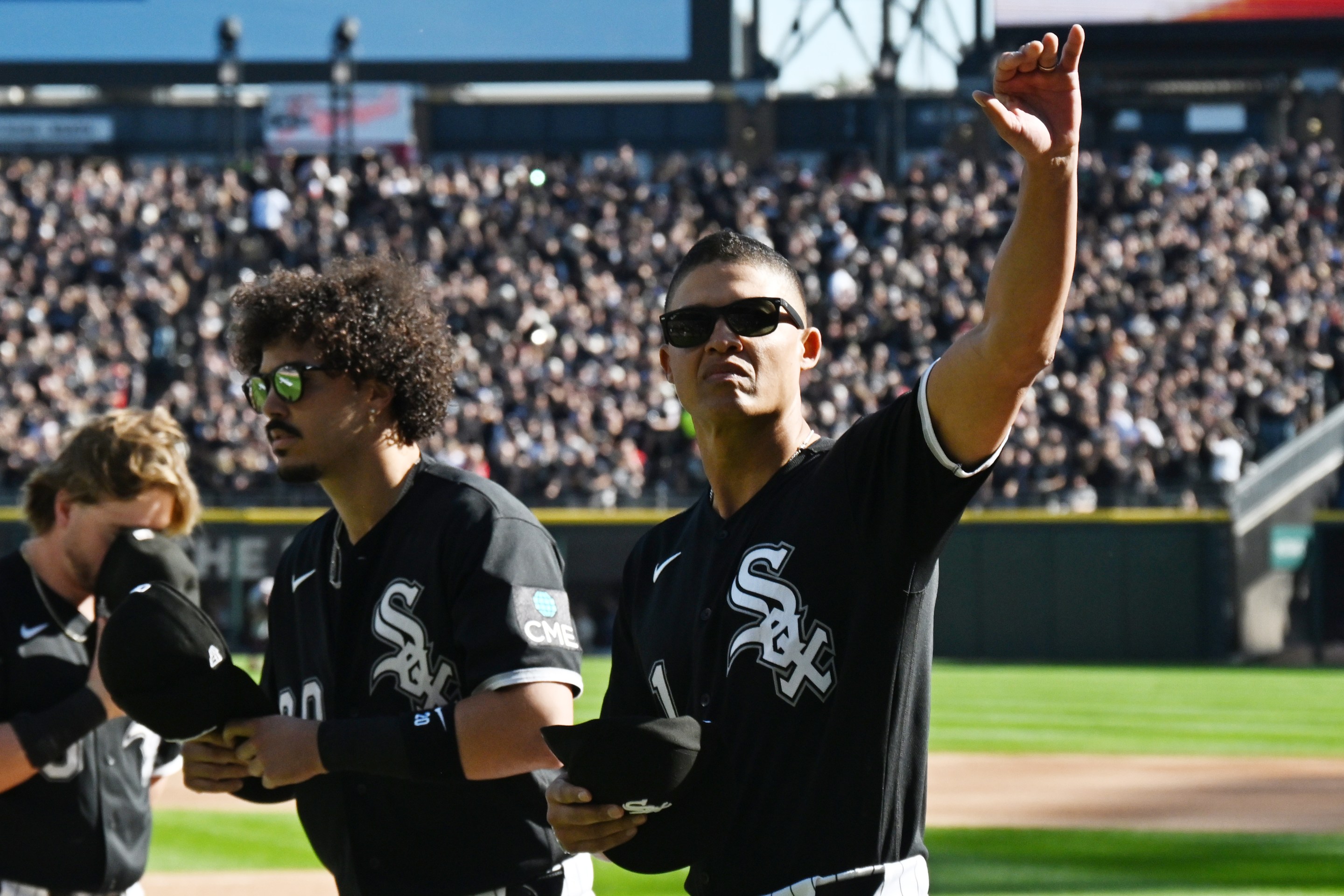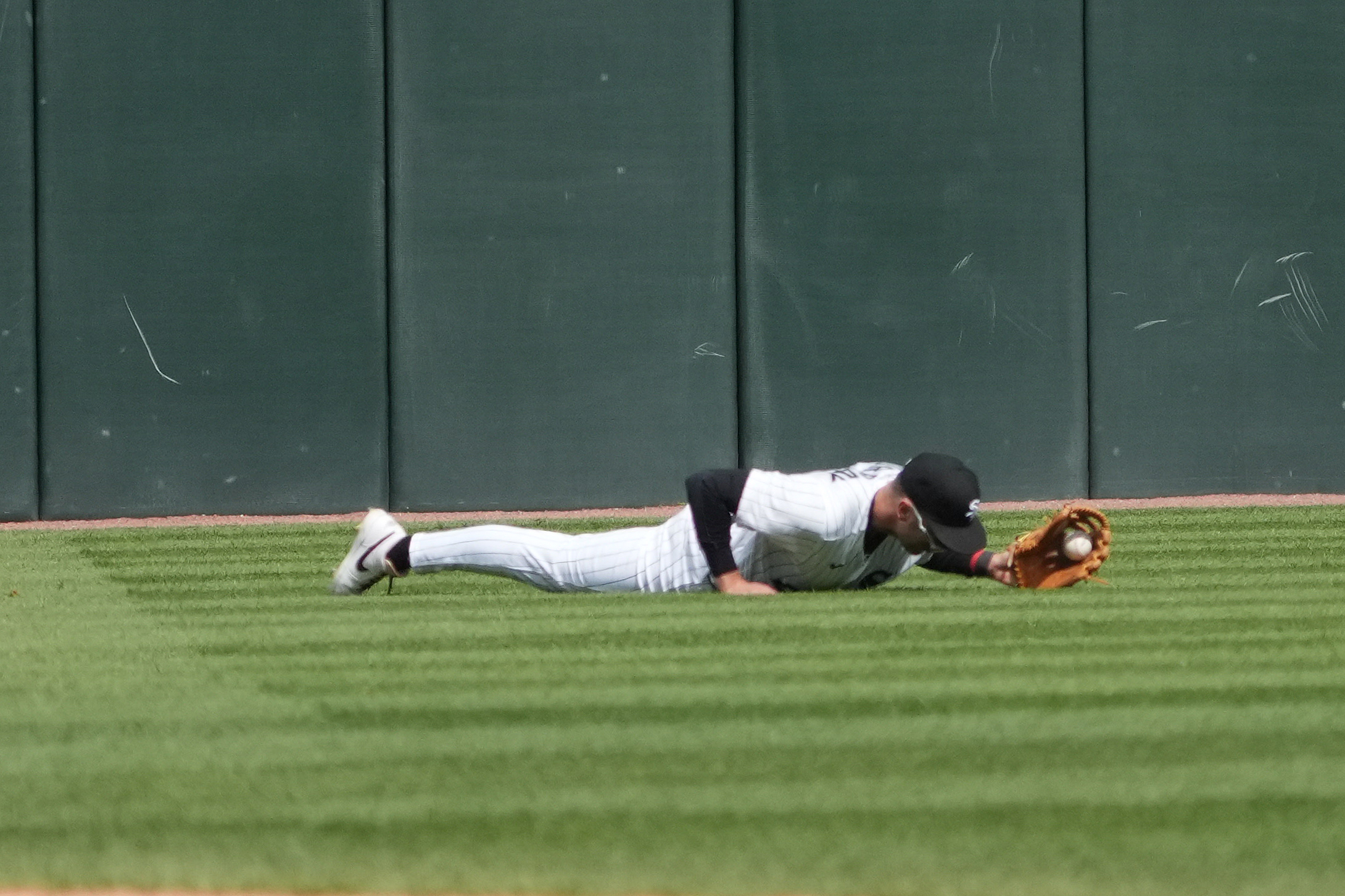
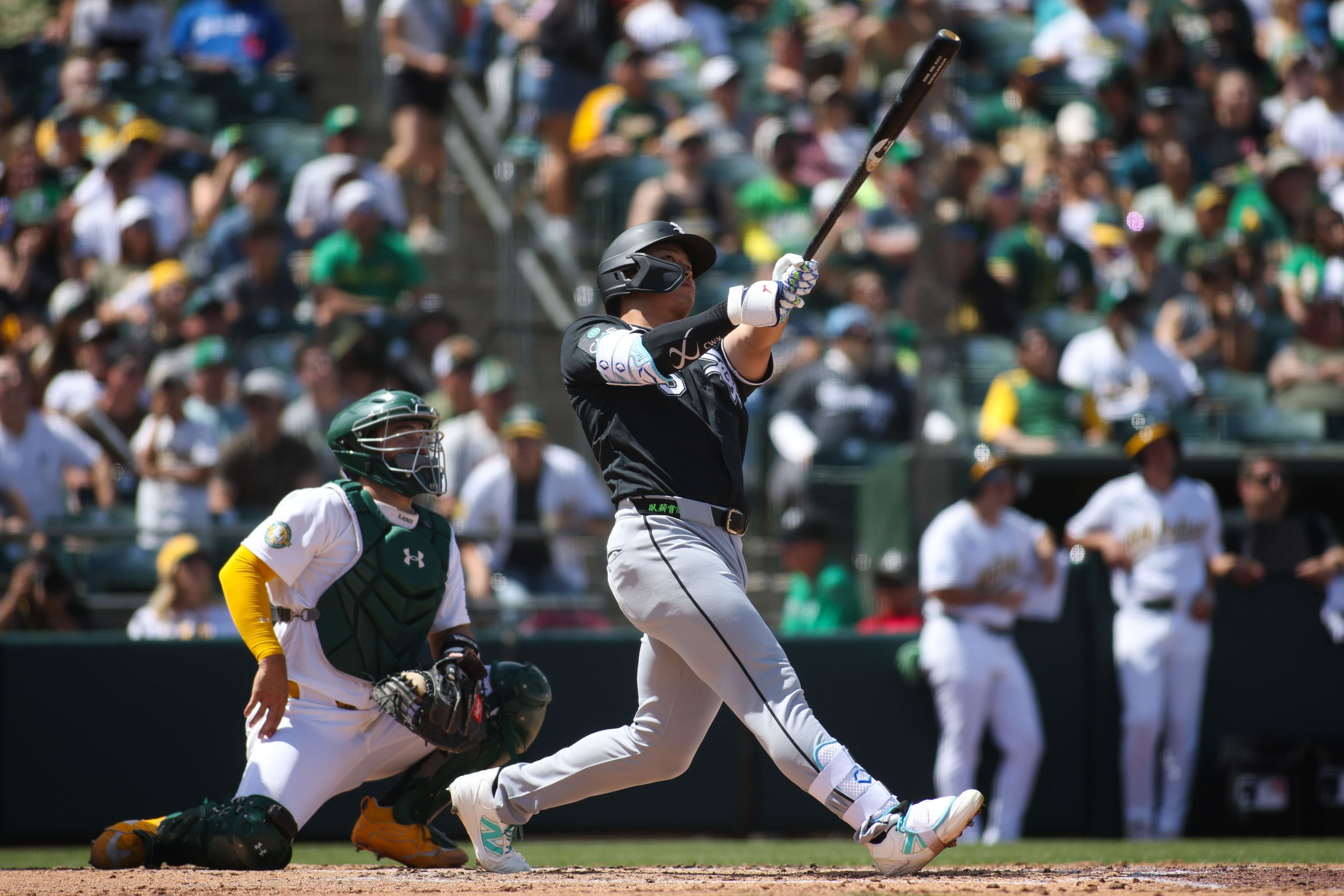
Braden Montgomery had a helpful reminder about not losing the plot reacting to a single tweak he made to his setup.
"There's always micro changes, because that's just the nature of it," Montgomery said. "You're always moving a little differently, and so as soon as movements start breaking down, or movement patterns start breaking down, you've got to implement some type of drill, or some type of pre-pitch movement, or whatever, to be able to still promote the right things in the swing, to be able to stay on baseballs and create that larger area for yourself and be able to drive it."
It is a game of adjustments, after all, and adjustability is a more exciting quality for Montgomery, or any White Sox hitter than a single stance or leg kick.
With that in mind, let's now overreact to an adjustment.
Ahead of this most recent road trip, I tossed in a question in a scrum with Munetaka Murakami about how he was dealing with teams spamming him with breaking balls. Before the Sox went to West Sacramento, pretty much all of Murakami's production (all his homers, for example) were against velocity, his whiff rates against spin were north of 50 percent (they still are) and one single represented his only hit against breaking balls on the season.
At the time, I chalked up his answer to the difficulties of using baseball jargon across the language barrier, since he talked about growing confidence against a pitch shape he hadn't hit yet.
"I was kind of letting the easy pitches go through, pass by me, and be breaking balls in early stages," Murakami said via interpreter. "But now I’m seeing the ball a lot better now, and I’m really getting into the plate with a lot more confidence."
It made more sense after the weekend, in which Murakami collected three hits off spin, ranging from an almost cartoonish example of him working to stay back on a 73 mph curveball, to his most decisive swing on a major league breaking ball to date.
Around 93 percent of the time, the White Sox press box being on a side angle along the first base line makes you feel more detached from the game. But sometimes the weird angle forces you to look at something you might otherwise struggle to notice. And toward the end of the Rays series, it was notable that Murakami's leg kick seemed more prominent; you could see the way he held his front foot in the air, swinging it like a screen door and syncing it up with the timing of his hands coming forward.
When the White Sox first signed Murakami in December, some of the initial speculation even from their own evaluators, is that the Japanese slugger might cut down the length of his hand path in his swing to adjust to the increased velocity in MLB. Murakami starts his hands low and far away from his body, to set up a long and loft-oriented swing. Anecdotally, it seems like it's a popular setup for Japanese power hitters.
Maybe since there were present examples of hitters making it work, White Sox hitting director Ryan Fuller had more of a wait-and-see attitude about tweaking it.
"Ohtani does the same kind of setup right there, and the key for all bigger movements is: are we getting to a spot where we can launch our swing in a quick, efficient manner when we want to?" Fuller said in January. "There are opportunities for us. It's just choosing the lane -- based off of where he's most productive -- that we're going to go down once we get to know him and spend more time with him."
When Japanese reporters were regularly peppering Murakami about the changes from his swing they were noticing throughout the spring, he would often downplay it, noting that the nature of this whole project was that he would be doing a lot of experimenting. Now that he's actually gotten into the season and experienced some adversity, it seems like he and the Sox have latched onto something. Ironically, it's not shrinking his hand path, but lengthening his leg kick to match it. It's easier to spy from a side angle than from the batter's eye camera, so let's pair it with a clip from the end of spring training to really make it plain.
The goal is to first, simply sync up his upper and lower halves better, but also to give Murakami more time and space to keep his weight back if he recognizes something soft, as opposed to putting his foot down right away and being unable to stop his body from coming forward.
It's seemingly keyed a big weekend of production and now it's easier for everyone to buy into this whole project when Murakami is sitting at a .208/.376/.542 line (153 wRC+) for the season, even if that season only constitutes 93 plate appearances. But to heed Montgomery's lesson, since most of the league's pitchers have still yet to face Murakami at all, it builds confidence this is a hitter capable of making adjustments under this coaching staff, despite the all-or-nothing nature his at-bats can often take.
"Every day, [he's] really intentional with how he spends his time, so from the moment he gets to the field to first pitch is meticulous with really good intent," Fuller said.
"His ability to make adjustments at a really high level has been very impressive and you can see it. His swings are starting to be a little bit more fluid, finding the barrel a little bit more and then his ability to take his walks when they’re not throwing in zone, to say, 'That’s not where I’m looking, I’m going to take my walks and set up the guy behind me,' is really impressive. But more than anything else, it's his ability to make adjustments in a quick time period."