A few minutes into the broadcast of Game 1 of the NLCS between the Dodgers and the Brewers on Sunday night, Mini Margalus yelled a sentence from the living room that I didn't expect:
"Daaaaaaaaaad! I don't see Munetaka Murakami!"
Mini Margalus -- referred to as such here because he was born four minutes into Minnie Miñoso's birthday, or five minutes too late for Pedro Grifol's -- will turn 5 next month, and he watched a lot of White Sox baseball this summer.
Actually, it's probably more accurate to say he was in front of a lot of White Sox baseball this summer. He played with his train set in front of it. He played catch in front of it. He swung the bat in front of it, then ran to the other end of the room to catch his own fly ball. But this is the first summer he wanted to know if the White Sox were playing and when, and was disappointed if he couldn't watch at least a couple innings before bedtime, after which we switched to Len Kasper and Darrin Jackson. Between the repeated exposure in our house and playing in his first tee ball leagues, it's been fun to see him making connections.
He now knows why some balls hit into the stands are foul balls, and why some trigger fireworks. He wants to know who the White Sox are playing, and what state the city is in, since his teachers have found that the location of baseball teams are an easy hook for geography. And when he actually sits still to watch a full at-bat, he wants to know the names of the pitcher, batter and catcher.
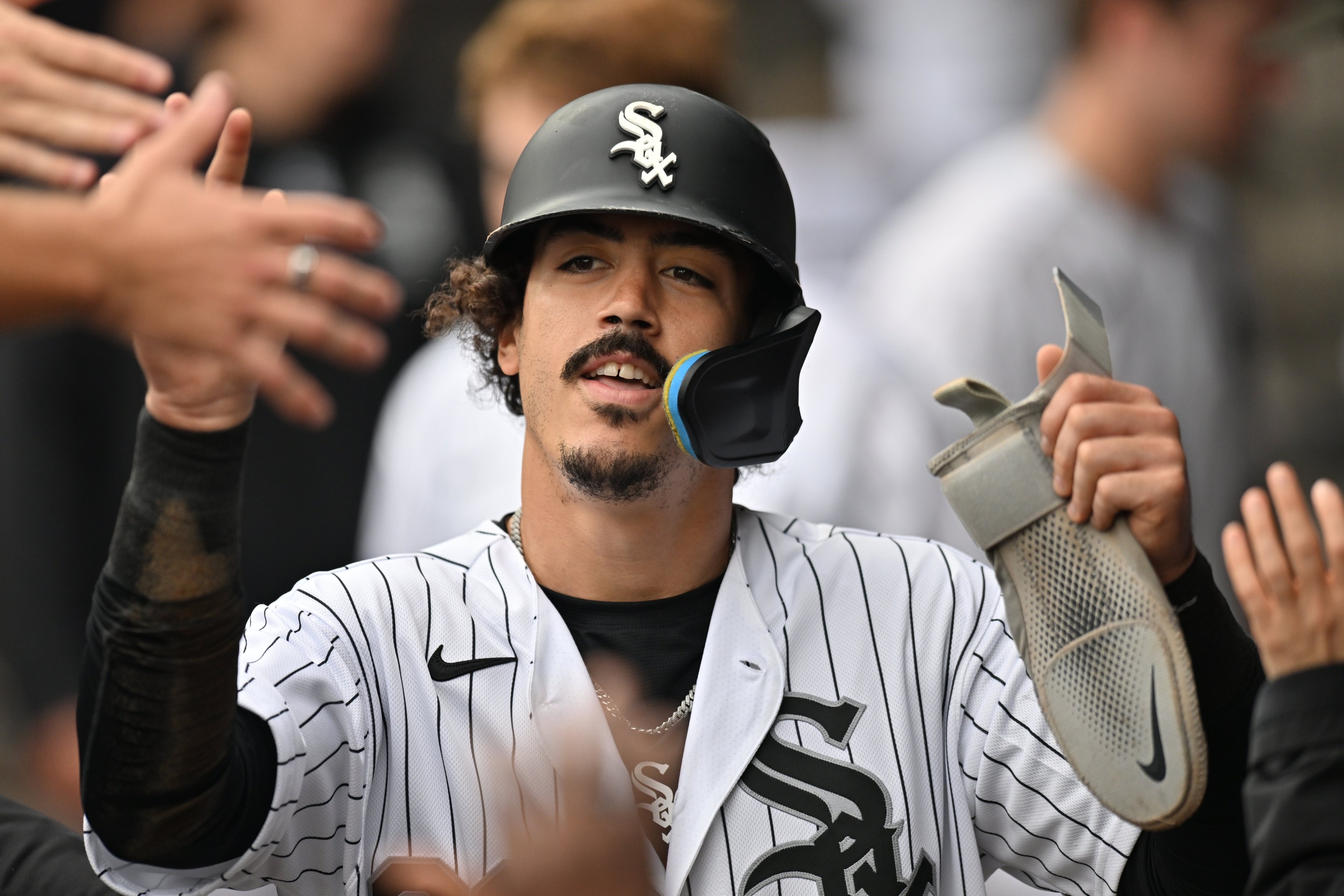
Murakami is the first player he's drawn to. He likes saying his full name, it's very important that I know he wears No. 5, and when he came home from school telling me about the existence of Japan, I had a fun fact ready for him.
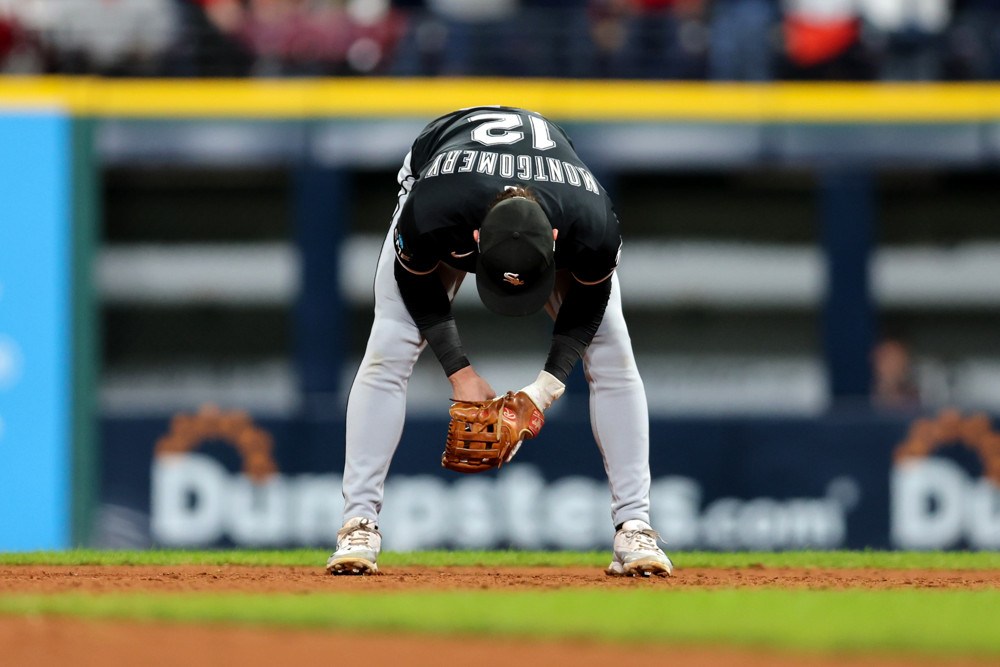
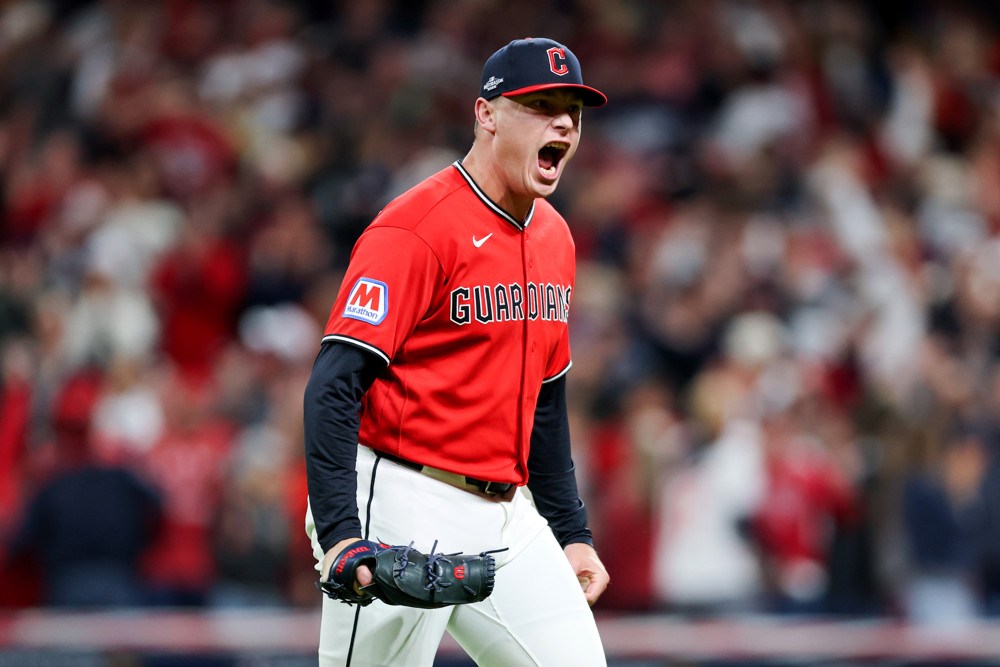
A smattering of televised spring games, the 162-game regular season and seven more postseason broadcasts that nobody expected led my son to believe that White Sox games were just going to keep happening. Had they won any of the final three games against Cleveland, he would've gotten at least another week's worth. Instead, I had to break it to him that Murakami and the White Sox were done being on TV for a while. He took the news in stride, especially when I told him that he'd seen some of the Brewers play for the Nashville Sounds, even if he was probably too busy doing circuits on the giant inflatable slide to notice Cooper Pratt's defense or Jackson Chourio's bat speed. Maybe that'll inspire him to actually watch a full inning next year.
⚙️⚙️⚙️
His interest in and grasp of the game probably has everything to do with being 4 instead of 3 and wanting to win the affection of a distant, withholding father, but part of me thinks that he also gravitated to White Sox games this year because they actually looked fun for once. There was lots of action, lots of fireworks, lots of shouting, lots of smiles, lots of Southpaw, lots of wizard hats, lots of pope hats.
It certainly ranks as the most enjoyable season I've ever covered, since this blog started in the wake of 2005. There's the fact that they crushed projections instead of being crushed by them, and actually realized the slim chance projection systems gave them to play postseason baseball, but they also forced me to update a considerable amount of priors about what to expect from the White Sox going forward.
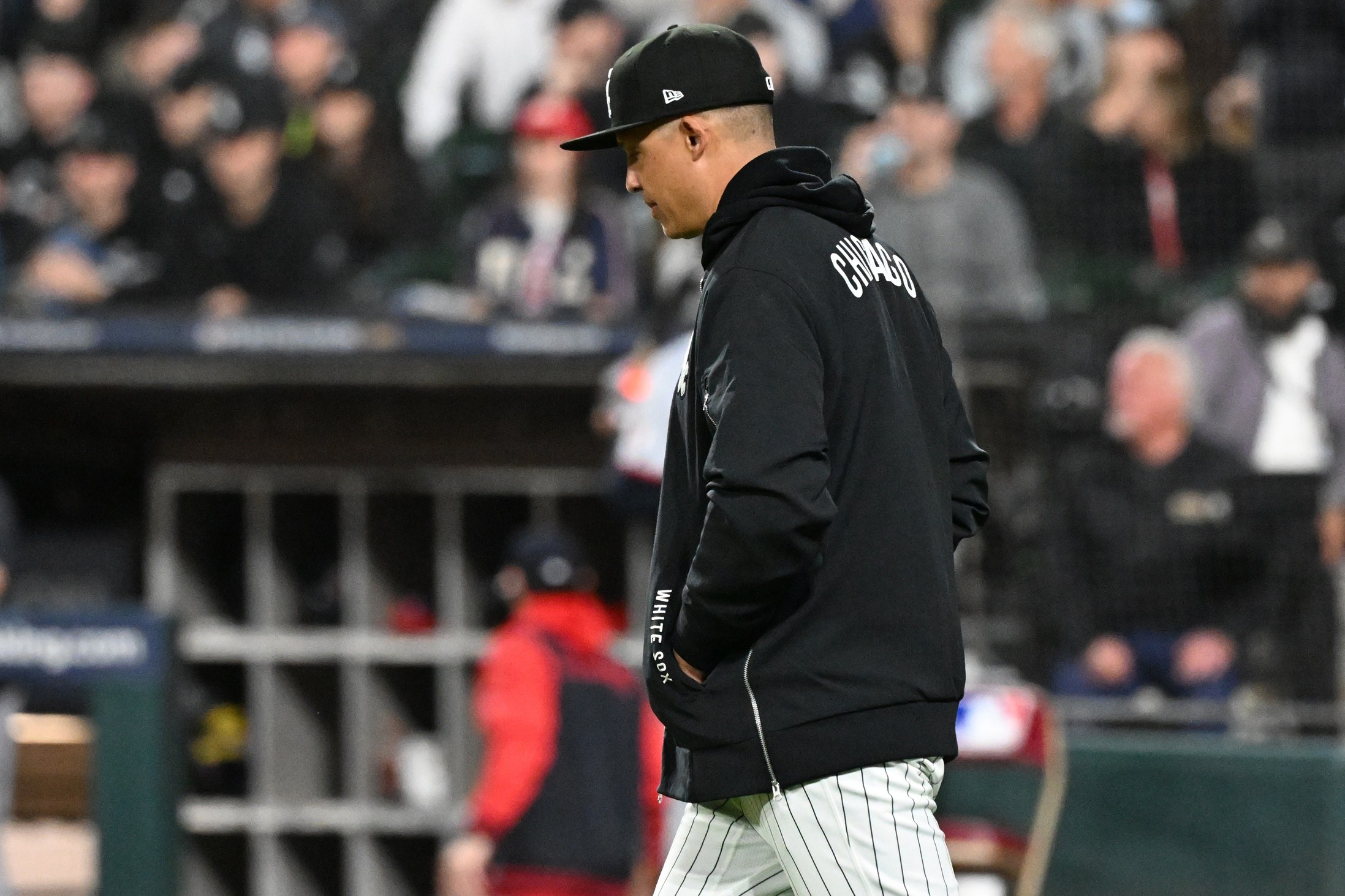
Player development figured out how to develop players, particularly in the area of bat speed, which allowed young hitters to produce more than their track records suggested was possible, and quicker than we're used to. After years of trying to failing to find a post-hype, scrap-heap outfielder who could make good use of all the playing time they had to offer, one turned into an All-Star. Will Venable's coaching staff, content to let players battle through struggles in his first year because player development was the only point, showed the ability to improvise, solve some problems and paper over others in order to win the day.
And there were problems. Their Opening Day starter finished the year pitching middle relief for Charlotte, and none of the pitching prospects were able to stake a claim. Their Plan A outfield went by the boards in a hurry, and it took a lot of trial-and-error to find a trio that worked. Their strikeout-prone hitters indeed swung and missed with a severity that set records.
But even then, they somehow turned some of their shortcomings into science experiments. How many runs could an offense score while striking out so often? How many games could a team win with just one starting pitcher? How far could a team get on the power of friendship?
If you measure success in parades, division titles, or even elimination games, the answer to all three questions was "not enough." I'd go with "way more/farther than originally thought," because that still leaves a little room to be disappointed by the way it ended.
The 2026 White Sox were special, and past tense is required because as Will Venable has acknowledged, chemistry isn't constant. They could return the exact same clubhouse in 2027 and produce vastly different reactions due to rising expectations and personal ambitions. As a team, the league is going to treat them as a contender and plan accordingly. Individually, they're going to want the success to solidify their standing as major league players. In either context, they'll no longer be just happy to be there.
An emotional Sean Burke: "This is the most special group I've ever been a part of."
— Foul Territory (@FoulTerritoryTV) October 11, 2026
(Via: @CHSN_WhiteSox) pic.twitter.com/oRXQXUo1W7
But for one season, they were happy to be there, and in a way that radiated from the clubhouse to the dugout, into the stands and through screens, in a way that even a half-watching 4-year-old could notice.
⚙️⚙️⚙️
We hope it was equally fun following the coverage of a contender here at Sox Machine, which isn't how I expected to spend our 20th season in existence. After three 100-loss trudges, I anticipated one more season of talent consolidation before the front office was forced to treat the on-field product as one that should be expected to win. As it turned out, everybody had to respond on the fly. Chris Getz had to shift his ambitions to 2026, and I had to exercise analytical muscles that had atrophied during hundreds of games that didn't move the needle one bit.
Thanks as always goes to Josh, who started the year providing suffocating coverage of the White Sox's options for the No. 1 overall pick, and when it turned out the major league club was the far bigger story, he engineered our transition to the Foul Territory network. Thanks to Ted for the weekend coverage, until we curse him as we try to name all 59 players who played for the White Sox live on camera. And thanks to James, because although he departed the realm of unlimited word counts for newspaper life in August, his approach of applying access to indulge his curiosities made an imprint on Sox Machine's DNA.
But most of all, thanks to everybody who supports us by subscribing, by reading, by listening, by discussing, by showing up. Your financial support allows us to do what we do, but your emotional and intellectual support is what determines how we do it. I've said it before and I'll say it again -- at a time where most online platforms are wired to enrage, the thoughtful, respectful baseball discussions under every post here can't be taken for granted. That's what makes Sox Machine hum.
This post concludes the regular season/postseason programming at Sox Machine, and if this is your first season being a part of the discussions, the daily conversation will continue. We'll still have posts every day throughout the course of the winter reviewing the baseball the White Sox played at the major and minor league levels, followed by an Offseason Plan Project that now has to contend with the Plexiglass Principle. We'll be covering whatever White Sox and larger baseball news pops up along the way, and if there's a lockout, we'll figure out some alternative programming. After all, it's our 21st rodeo.